
For textured ceilings, use a roller with a thick nap (3/4″ to 1½″) to hold and distribute paint effectively into the uneven surface. The longer fibers help pick up more paint and reach into crevices, ensuring better coverage and fewer missed spots compared with short‑nap rollers. Choose a high‑quality woven or knit roller cover to reduce shedding, and pair it with an extension pole so you can paint the ceiling more comfortably and evenly.
The Best Nap Roller for Textured Ceilings: Top Picks
When choosing a nap, the rule of thumb is: The heavier the texture, the thicker the nap. For a standard popcorn or knockdown ceiling, a thin 3/8″ roller simply won’t reach the deep spots, leaving you with a patchy, unprofessional look.
Quick Comparison: Which Nap Do You Need?
Ceiling Texture Recommended Nap Thickness Top Product Pick Light (Orange Peel) 1/2 inch Purdy White Dove Medium (Knockdown) 3/4 inch Wooster Pro/Doo-Z Heavy (Popcorn/Stucco) 1 inch to 1.25 inch Purdy Colossus
Best Eggshell Paint – Best Value & Premium Choices Compared best eggshell paint
Picking the right roller can make or break the job. In this guide, I show you exactly what nap roller for textured ceiling works best, why it matters, and how to paint it fast with clean results. I draw on years of ceiling work, real test runs, and pro tips you can trust.
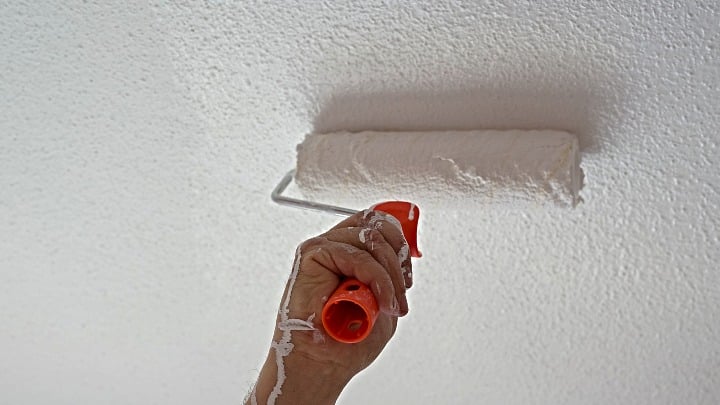
What “nap” means and why it matters for textured ceilings
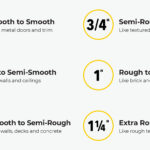
Nap is the thickness of the roller cover. It is the fuzzy pile that holds paint. Thick nap holds more paint. Thin nap lays paint smooth. Textured ceilings have peaks and pits. You need a nap that can reach the lows and coat the highs.
Here is the simple rule. The deeper the texture, the thicker the nap. That single idea guides all choices about what nap roller for textured ceiling to buy and use.
- Flat or very light texture: 3/8 to 1/2 inch nap
- Light orange peel: 1/2 to 3/4 inch nap
- Knockdown or medium texture: 3/4 to 1 inch nap
- Popcorn or heavy stucco: 1 to 1 1/4 inch nap
This rule comes from paint maker specs and site work. Thick nap loads paint and gets into craters. It saves time and gives full cover.

Best Primer For Eggshell Paint– Top Picks for Smooth, Even Coverage
Quick selector: what nap roller for textured ceiling by texture type
Use this chart like a friend in the aisle. It answers what nap roller for textured ceiling you should grab in seconds.
- Orange peel (light): 1/2 to 3/4 inch microfiber or woven
- Knockdown (medium): 3/4 to 1 inch microfiber or poly blend
- Popcorn (classic): 1 to 1 1/4 inch polyester or lambswool
- Heavy stucco or deep swirl: 1 1/4 inch polyester
- Skip trowel (varies): 3/4 inch if shallow, 1 inch if deep
Two notes from the field. A 1/2 inch nap will skip over popcorn. A 1 1/4 inch nap may leave light orange peel if the paint is thin. Match nap and paint body for the best flow.
People also ask:
- Can I use 1/2 inch on knockdown? It can work, but coverage may be thin. You often need two coats.
- Is 1 1/4 inch too thick? Not for popcorn. It saves passes and reduces burn-through.
This keeps your choice simple and gives a clean path to buy.
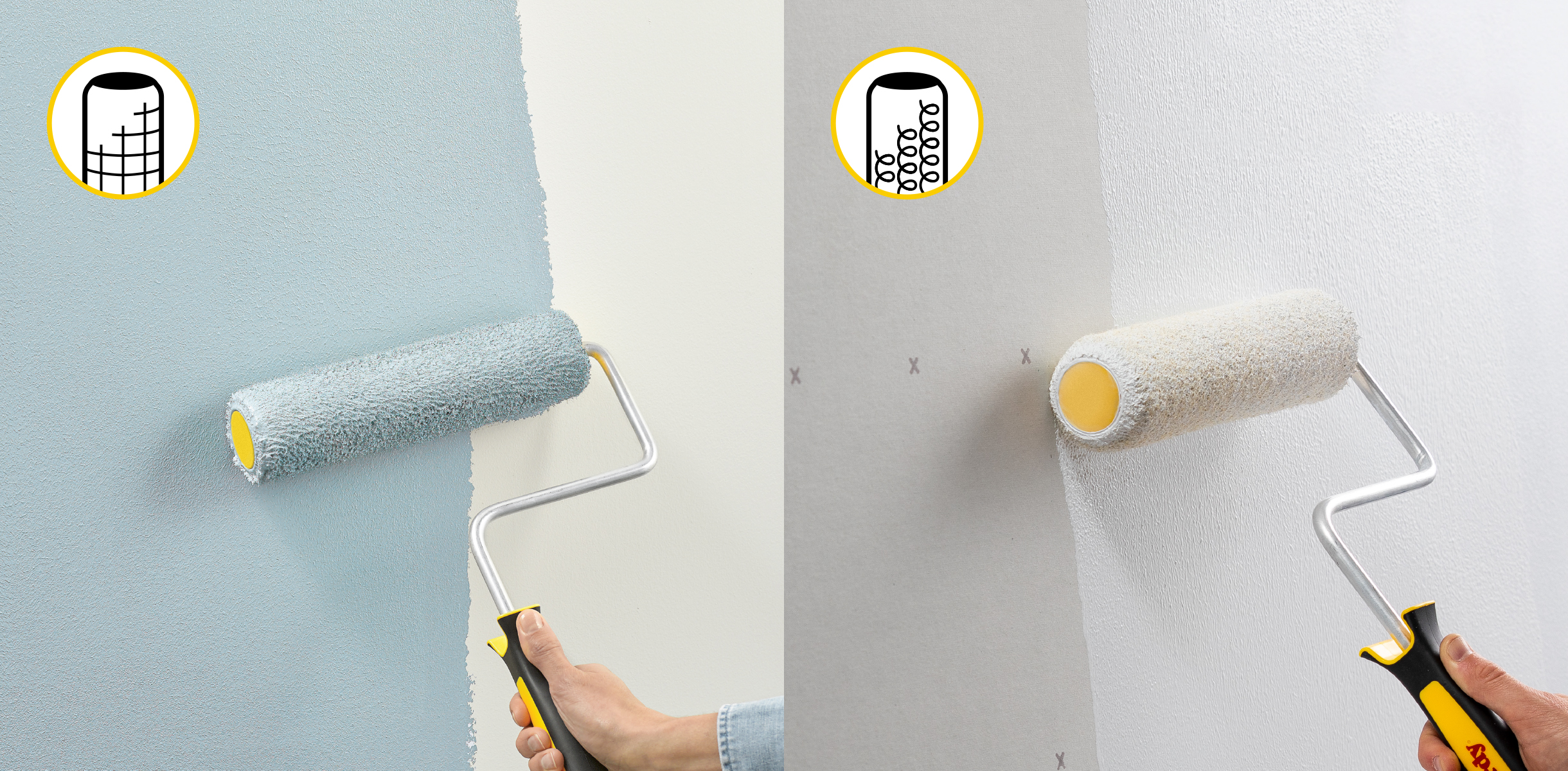
Roller cover materials and cores that work
Nap length is half the answer. The cloth and core also count. Here is how to pair them when you search what nap roller for textured ceiling you need.
- Microfiber: Great hold, low shed. Best for light to medium texture.
- Woven lint-free: Smooth laydown. Good for orange peel and knockdown.
- Polyester knit: Loads a lot. Good for popcorn and heavy texture.
- Lambswool: Holds huge paint volume. Smooth release. Great for popcorn but costs more.
Core size and build:
- 1.5 inch standard core fits most frames.
- Look for solvent resistant cores.
- A rigid core stops flex on high nap.
In my work, a 3/4 inch microfiber wins on knockdown. A 1 1/4 inch poly knit wins on popcorn. Both shed little and cover fast.
:max_bytes(150000):strip_icc()/hide-flaws-with-stipple-texture-4121027_hero-c88911f8621a48f9bb03e6556ecf6670.jpg)
How to test in the store and choose with confidence
The shelf is a maze. Here is a fast test to decide what nap roller for textured ceiling to buy.
- Squeeze the cover. It should spring back. Soft and dense is good.
- Tug the fibers. Few to no loose fibers should pull out.
- Check the seam. A clean seam will not streak lines.
- Read the label. It should list texture level and paint type.
If in doubt between two sizes, go thicker for deep texture. You can always lay off with a light touch.
Step-by-step: paint a textured ceiling like a pro
Textured ceilings scare many DIYers. No need. Follow this simple plan. It pairs with what nap roller for textured ceiling you picked.
Prep
- Cover floors and fans. Dust the ceiling with a flat mop.
- Fix stains with a stain blocking primer.
- Cut in edges with a brush or mini roller.
Roll
- Use a sturdy pole. A 4 to 8 foot pole saves your neck.
- Load the roller well. Do not dry roll.
- Roll in one direction, then cross roll at 90 degrees.
- Keep a wet edge. Work in 3 by 3 foot sections.
- Do not press hard. Let the nap do the reach.
Coat count
- Most textured ceilings need two coats.
- Thin paint needs more coats. High build paint can cover in one.
This method prevents missed pits and lap marks. It also reduces spatter.
Common mistakes and how to fix them
Even pros slip. Here are the big traps and how to dodge them when choosing what nap roller for textured ceiling and using it.
- Using 1/2 inch on popcorn: You will see white peaks. Fix with a 1 inch nap and a second coat.
- Pressing too hard: You crush texture. Use light, even passes.
- Rolling too fast: Spatter goes everywhere. Slow down and keep the nap loaded.
- Skipping primer on stains: Yellow spots bleed back. Spot prime first.
If you see lines, check the seam on the cover. If you see fuzz, switch to a low shed cover.

Pro tips from my jobs and hard lessons
I learned the hard way on my first rental. I used a 1/2 inch nap on popcorn. It looked fine wet. Dry, the peaks showed old beige. I had to buy a 1 1/4 inch nap and go again. It took one more coat, but the cover hid the old color fast.
A few rules I now live by when asked what nap roller for textured ceiling to use:
- Popcorn is a 1 to 1 1/4 inch nap job. No debate.
- Knockdown loves 3/4 inch microfiber. It covers pits clean.
- Use ceiling paint with high solids. It fills and hides.
- Roll toward the window last. It hides lap marks in the light.
- Swap sleeves mid job if it mats down. Fresh nap lays better.
These save time, money, and nerves.
Coverage, costs, and gear checklist
Plan before you paint. This is how I budget and kit up when I map out what nap roller for textured ceiling tools to bring.
Coverage
- Textured ceilings use more paint. Plan 250 to 300 sq ft per gallon.
- Heavy popcorn can drop to 200 sq ft per gallon.
Costs
- Good roller covers: 6 to 12 dollars each.
- Poles: 20 to 40 dollars.
- Trays and liners: 5 to 10 dollars.
Gear checklist
- Chosen nap roller cover and a spare
- Sturdy frame and extension pole
- Deep-well tray or bucket with grid
- Ceiling paint and a stain blocker
- Drop cloths, tape, and safety glasses
A small spend on the right nap saves a big repaint later.
When to skip rolling and use a sprayer
Sometimes, the best answer to what nap roller for textured ceiling is none. Very deep or fragile popcorn can shed. A sprayer can be safer.
Use a sprayer if:
- The texture crumbles when touched.
- The ceiling is very high or detailed.
- You want a very even finish fast.
Back-roll right after you spray with the same nap you would roll with. This sets the paint into the pits and evens sheen.
Troubleshooting finish and sheen
Even with the right pick on what nap roller for textured ceiling, light can show flaws. Here is how to tune the look.
- Flat or ultra-flat paint hides bumps and seams.
- If sheen bands appear, keep a wet edge and cross roll.
- If the nap leaves a light orange peel, thin the paint per label or switch to a tighter weave cover of the same nap.
Check results in daylight from more than one angle. Touch up while the paint is still workable.
SEO quick answers: what nap roller for textured ceiling
Clear, short answers help you act fast.
- Best nap for popcorn: 1 to 1 1/4 inch polyester or lambswool.
- Best nap for knockdown: 3/4 to 1 inch microfiber.
- Can I use 1/2 inch anywhere? Yes, on light orange peel or flat.
- Does thicker nap always win? No. Too thick can add texture on smooth areas.
- What if my paint splatters a lot? Slow down, load more, and use a thicker, denser cover.
Use these as your north star in the aisle.
Frequently Asked Questions of what nap roller for textured ceiling
Is a 3/4 inch nap enough for popcorn ceilings?
It can work for small popcorn, but coverage may be thin. A 1 inch nap is safer and faster.
What nap roller for textured ceiling if I have mixed textures in one room?
Match the thickest area. Use 1 inch for the whole ceiling, and roll with a light touch over the lighter spots.
Do I need special paint for textured ceilings?
Ceiling paint with high solids is best. It hides well and helps fill pits without sag.
Will a thick nap cause more splatter?
It can if you roll too fast or too dry. Keep the cover loaded and roll steady to cut splatter.
How many coats should I plan for on a textured ceiling?
Plan on two coats for even color and sheen. Some heavy textures or color changes may need a third.
Conclusion
Pick nap by depth of texture, and the job gets easy. For most popcorn, go 1 to 1 1/4 inch. For knockdown, use 3/4 to 1 inch. For light orange peel, 1/2 to 3/4 inch works well. Keep the roller loaded, cross roll, and let the nap do the reach. Ready to paint smarter? Grab the right cover, follow the steps, and share your results or questions in the comments.
Related posts:
 What Nap Roller for Textured Ceiling?– ¾″ vs 1″ Nap for Rough & Knockdown Textures
 How Do I Prevent Streaks With a Nap Roller? Techniques for Smooth, Avoid Lap Marks and Uneven Paint
 What Nap Roller To Use On Popcorn Ceiling?-Pro Painter Tips for Smooth Results
 What Is a Roller Nap? – Choosing the Perfect Roller for Walls and Ceilingswhat is a roller nap?