
What Removes Paint From Wood ?
Paint can be removed from wood using chemical paint strippers, heat guns, or sanding, depending on the type of paint and the condition of the wood. Chemical strippers soften paint for easy scraping and work well on detailed surfaces, while heat guns loosen layers quickly but require care to avoid scorching. Sanding is effective for small areas or final cleanup but can damage wood if overused. Choosing the right method and working gently helps remove paint while preserving the wood surface.
Heat, safe strippers, alcohol, and gentle sanding remove paint from wood best.
Skip the exhausting sanding and stripping process by choosing the best paint for varnished wood that bonds directly to glossy surfaces.
If you want a clean, smooth wood surface, you must match the method to the paint and the grain. I restore trim, doors, and furniture for a living. In this guide, I’ll show you exactly what removes paint from wood without wrecking the finish. You’ll get proven steps, pro tips, and safe choices that work in real homes.
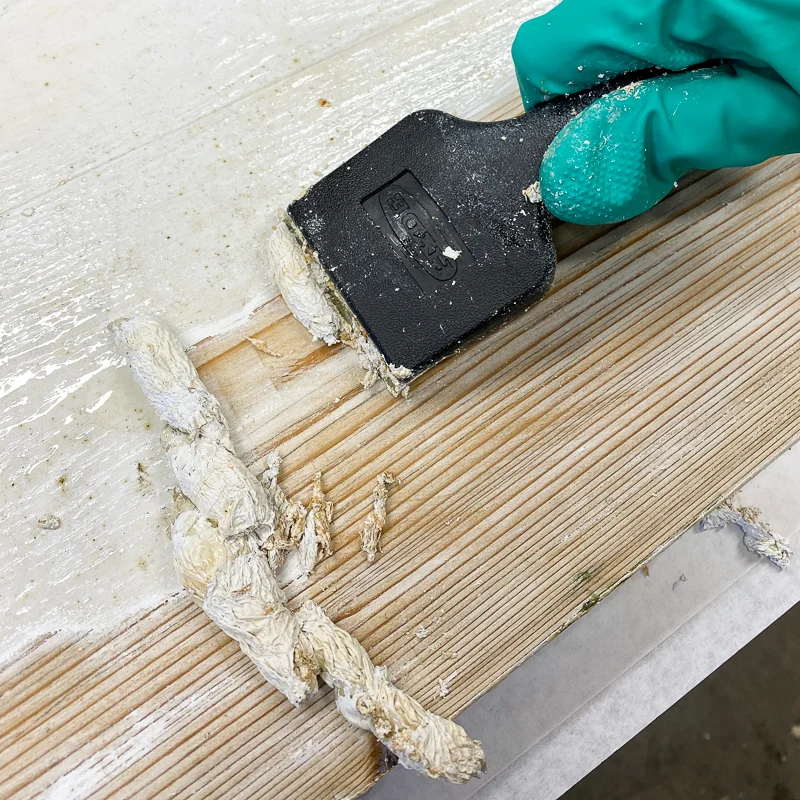
Protect your home’s character by using the best heat gun for removing paint from wood to strip delicate moldings without gouging or damaging the grain.
Choose the right approach for your wood and paint
The right method depends on four things. The paint type. The number of layers. The wood species. The shape of the piece.
Start with a small test spot in a low area. See how the paint reacts. Latex softens with alcohol or a citrus gel. Oil paint needs a stronger gel or heat.
Look at the wood. Pine dents fast. Oak has deep grain. Curved trim and carvings hate heavy sanding. Flat doors and tables can take more sanding.
Older homes may have lead paint. If your home was built before 1978, test first. Do not dry sand lead paint. Use wet methods, a HEPA vac, and proper PPE.
If you ask what removes paint from wood in most cases, the honest reply is this: use a safer gel stripper for big jobs and heat for edges and details. Save sanding for the final clean up.

Methods that remove paint from wood: pros, cons, and where they shine
When people ask what removes paint from wood fast, I pick from five main options. Each shines in a different case.
Heat gun or infrared
- Best for thick, old oil paint on trim and doors.
- Pros: Fast, low mess, great on edges and profiles.
- Cons: Can scorch wood. Fire risk. Not safe for lead without controls.
How to use:
- Set heat gun to a medium setting.
- Warm a small area until paint blisters.
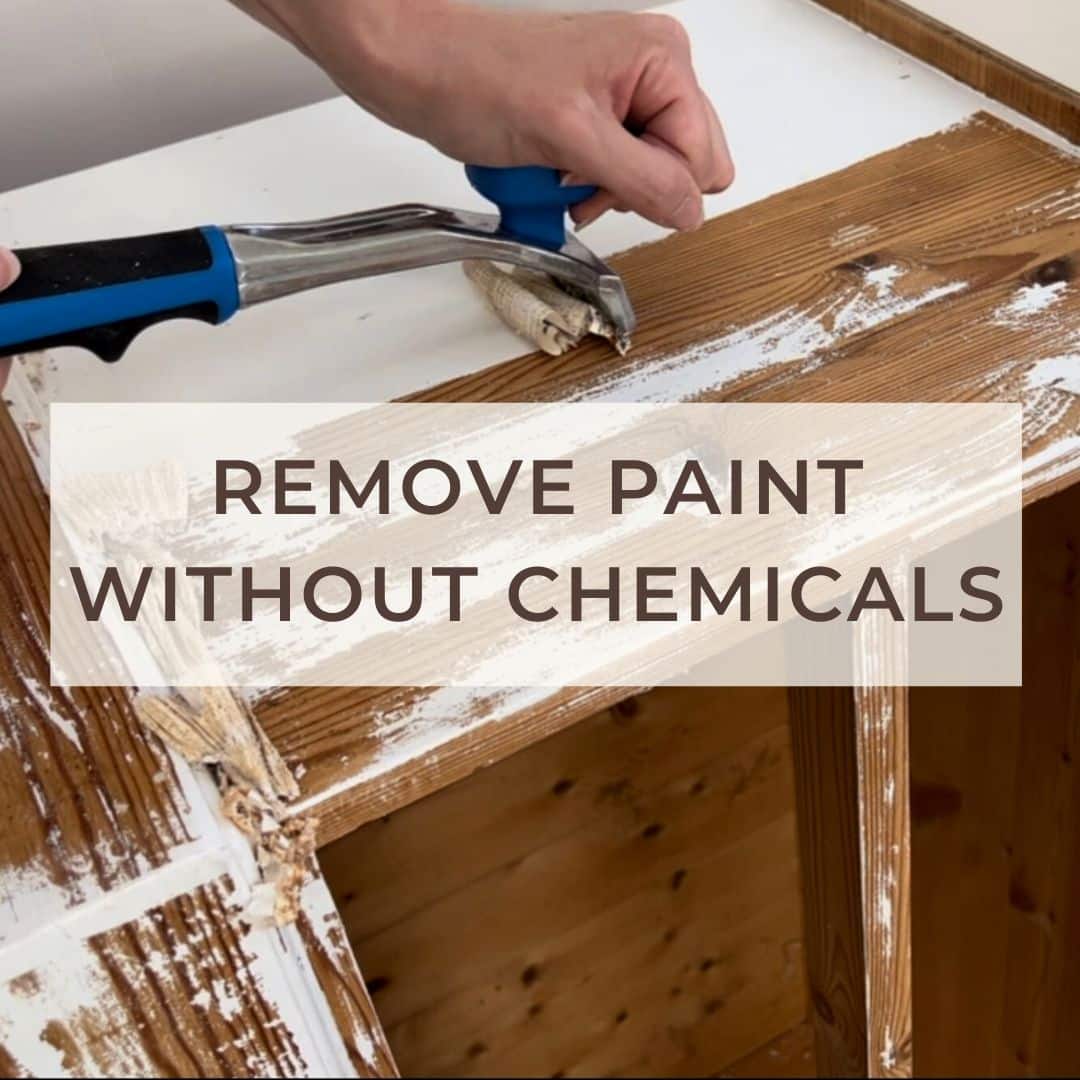
- Scrape with a sharp pull scraper. Keep the scraper flat.
- Work in short passes. Do not dwell in one spot.
Safer chemical gel strippers
- Look for benzyl alcohol, soy/DBE, or citrus-based gels.
- Pros: Low odor, clings to verticals, gentle on detail.
- Cons: Slow dwell time. Needs cleanup. Some raise grain.
Stop sanding for hours and risking damage to delicate wood grain; the best paint stripper for wood dissolves layers of old finish while preserving the antique beauty underneath.
How to use:
- Brush on a thick coat. Do not skimp.
- Cover with plastic to keep it wet.
- Wait 30 minutes to several hours per label.
- Scrape off. Reapply as needed.
- Neutralize and clean per product directions.
Note: Methylene chloride works fast but is banned for consumer use in the U.S. NMP can work but needs strong PPE. Safer gels get you there with less risk.
Solvent scrub for thin coats or latex
- Denatured alcohol softens latex and shellac.
- Mineral spirits helps with old oil glaze and residue.
- Acetone or lacquer thinner works on lacquers, but use care.
How to use:
- Wet a pad of coarse steel wool or a white nylon pad.
- Rub a small area. Wipe with clean rags.
- Repeat until clean. Ventilate well.
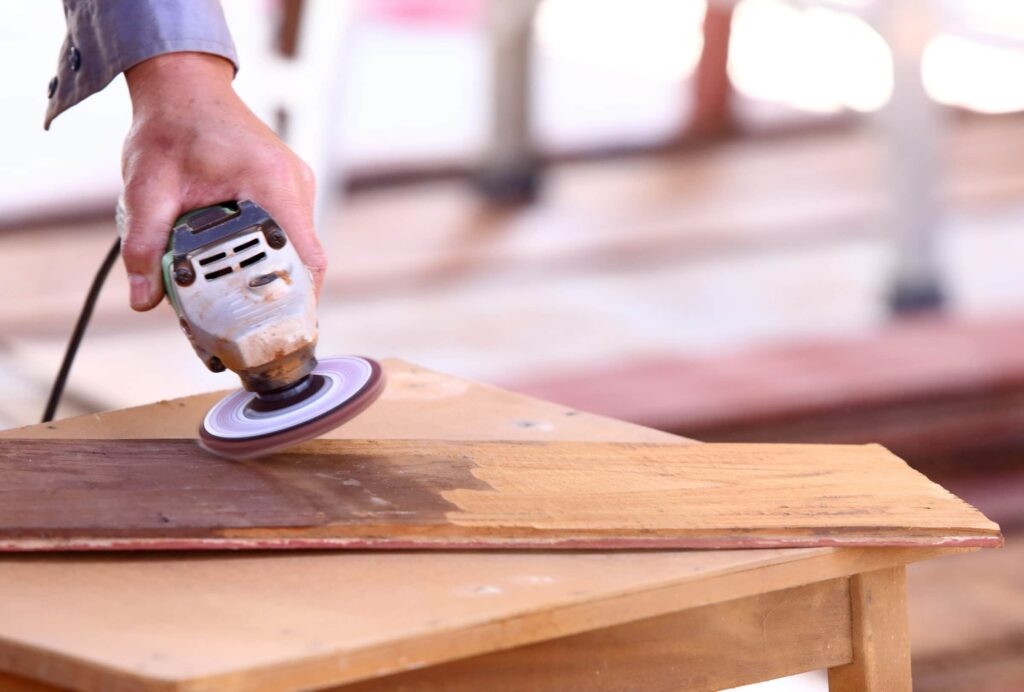
Sanding
- Best as a final step, not the main removal.
- Pros: Smooths the surface after strip or heat.
- Cons: Slow for thick paint. Can clog paper. Can gouge.
How to use:
- Start with 120 grit on flat areas.
- Finish with 150–180 grit.
- Hand-sand edges with a block to avoid rounding.
Do not dry sand if lead may be present.
Household options
– Vinegar can soften fresh latex so it scrapes easier.
- Soapy warm water helps when paint is still new.
- Baking soda works on hardware, not on wood surfaces.
These can help in a pinch, but they are not a full strip. If you want a real answer to what removes paint from wood, use heat, safer gel strippers, or the right solvent, then sand.
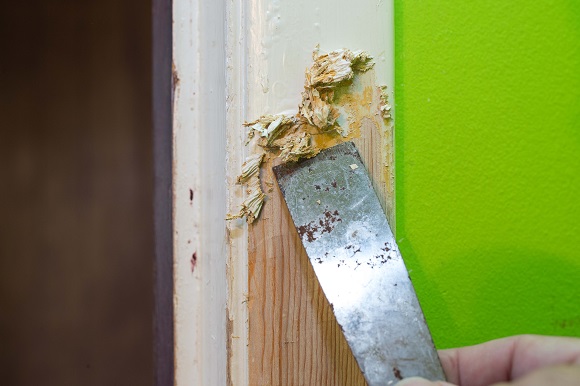
Step-by-step: remove paint from flat wood panels
This is my go-to flow for doors, tabletops, and stair treads.
- Prep the space. Drop cloths down. Good airflow. No flames.
- Wear nitrile gloves, goggles, and a respirator with organic vapor cartridges.
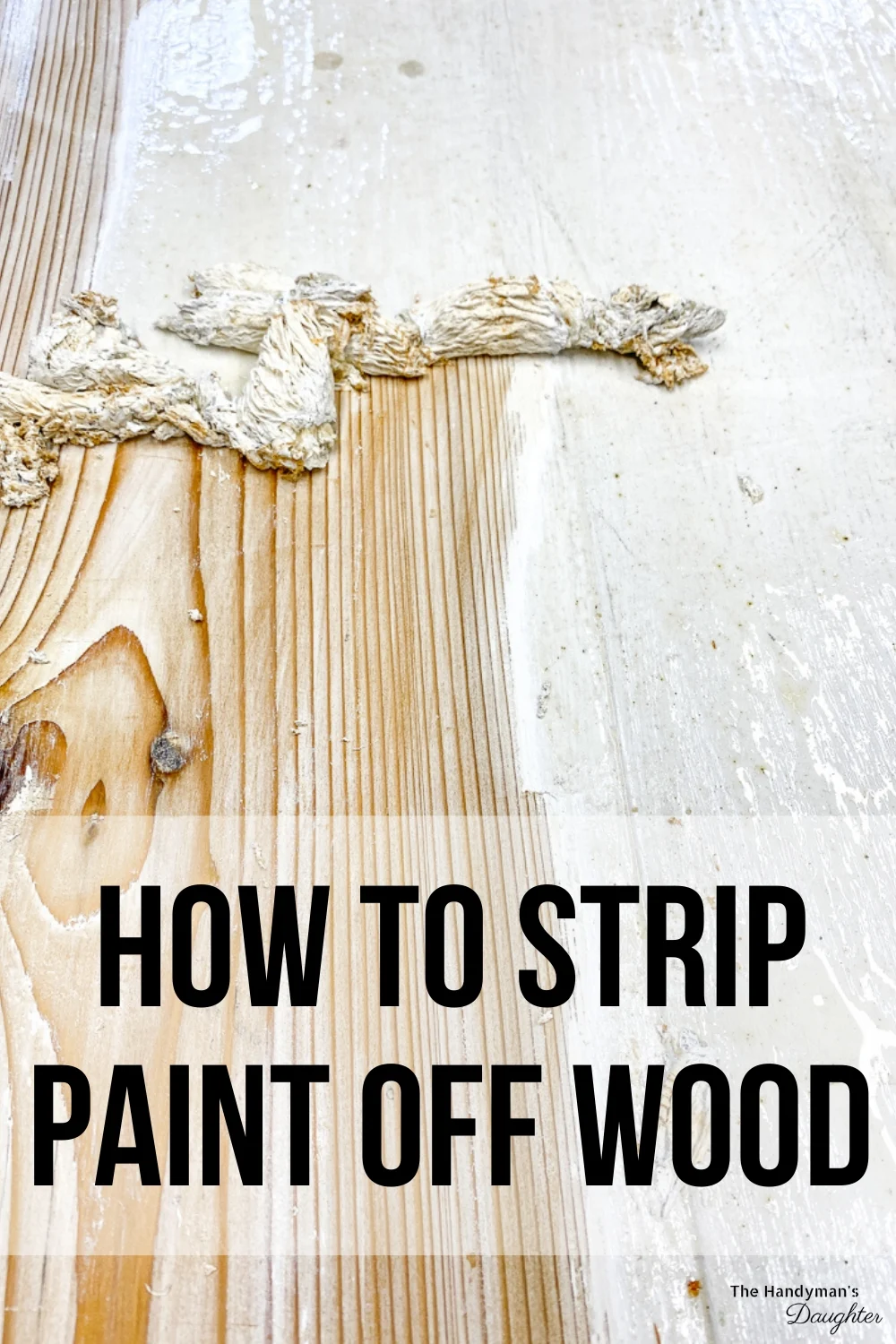
- Apply a thick coat of a safer gel stripper.
- Cover with plastic. Wait per the label until paint wrinkles.
- Scrape with a wide, sharp scraper. Keep the blade flat.
- Reapply gel for stubborn spots. Give it time to work.
- Wash down with the product’s neutralizer. Wipe dry.
- Let dry fully. Light sand with 150–180 grit.
- Wipe with a tack cloth. You are ready to refinish.
For fast jobs, heat is great:
- Warm a small zone with a heat gun.
- Scrape while the paint is soft.
- Clean residue with mineral spirits.
- Light sand to finish.
If your question is what removes paint from wood on a big, flat surface with less risk, gel stripper plus a final sand is hard to beat.
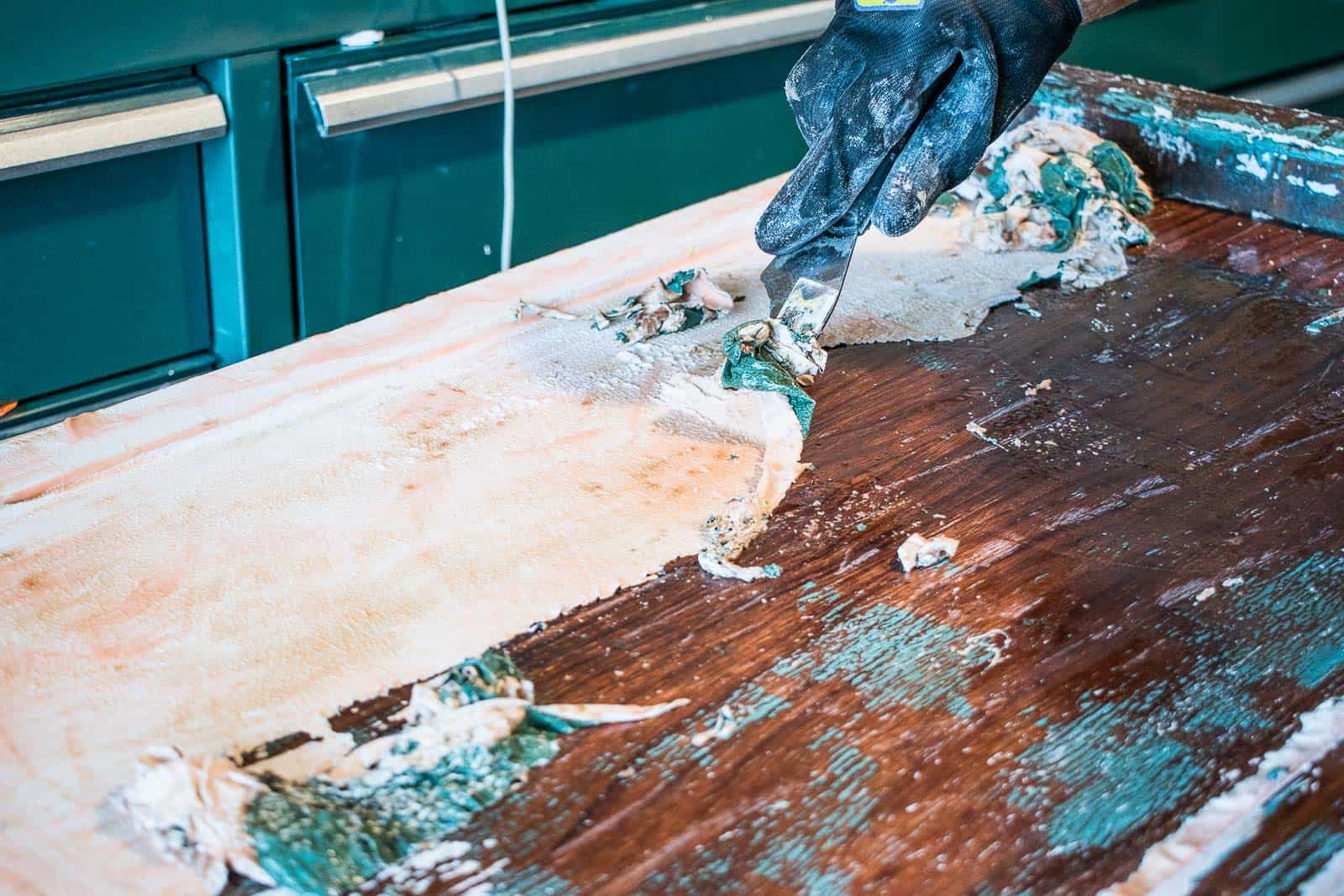
Step-by-step: remove paint from carved trim and furniture details
Curves and carvings need a gentle touch.
- Use a thick gel stripper that clings to verticals.
- Brush into crevices with a small, stiff brush.
- Cover with plastic to prevent drying.
- Scrape with shaped tools: a card scraper, dental picks, or a brass brush.
- Wipe with solvent or neutralizer per the label.
- Once dry, burnish details with grey nylon pads.
- Sand only by hand, and very light.
Heat can help on edges. Keep the gun moving. Aim for soft paint, not scorch marks. For many readers who ask what removes paint from wood trim without damage, this slow gel-and-scrape method wins.

Safety first: ventilation, PPE, and lead-safe work
Your health comes first. Do not skip this part.
- Ventilation: Open windows. Use fans to exhaust air.
- PPE: Nitrile gloves, splash goggles, long sleeves. Use a respirator with organic vapor cartridges.
- Fire safety: Many solvents are flammable. No smoking. No pilot lights nearby.
- Lead paint: Homes built before 1978 may have lead. Use wet methods, plastic containment, a HEPA vac, and proper disposal. Do not dry sand or use open flames.
- Chemical rules: Consumer use of methylene chloride strippers is banned in the U.S. Follow labels. Keep products off skin.
I know this sounds strict. But safe work is fast work. When folks ask what removes paint from wood without risk, I say: safe strippers, heat with care, and good PPE.
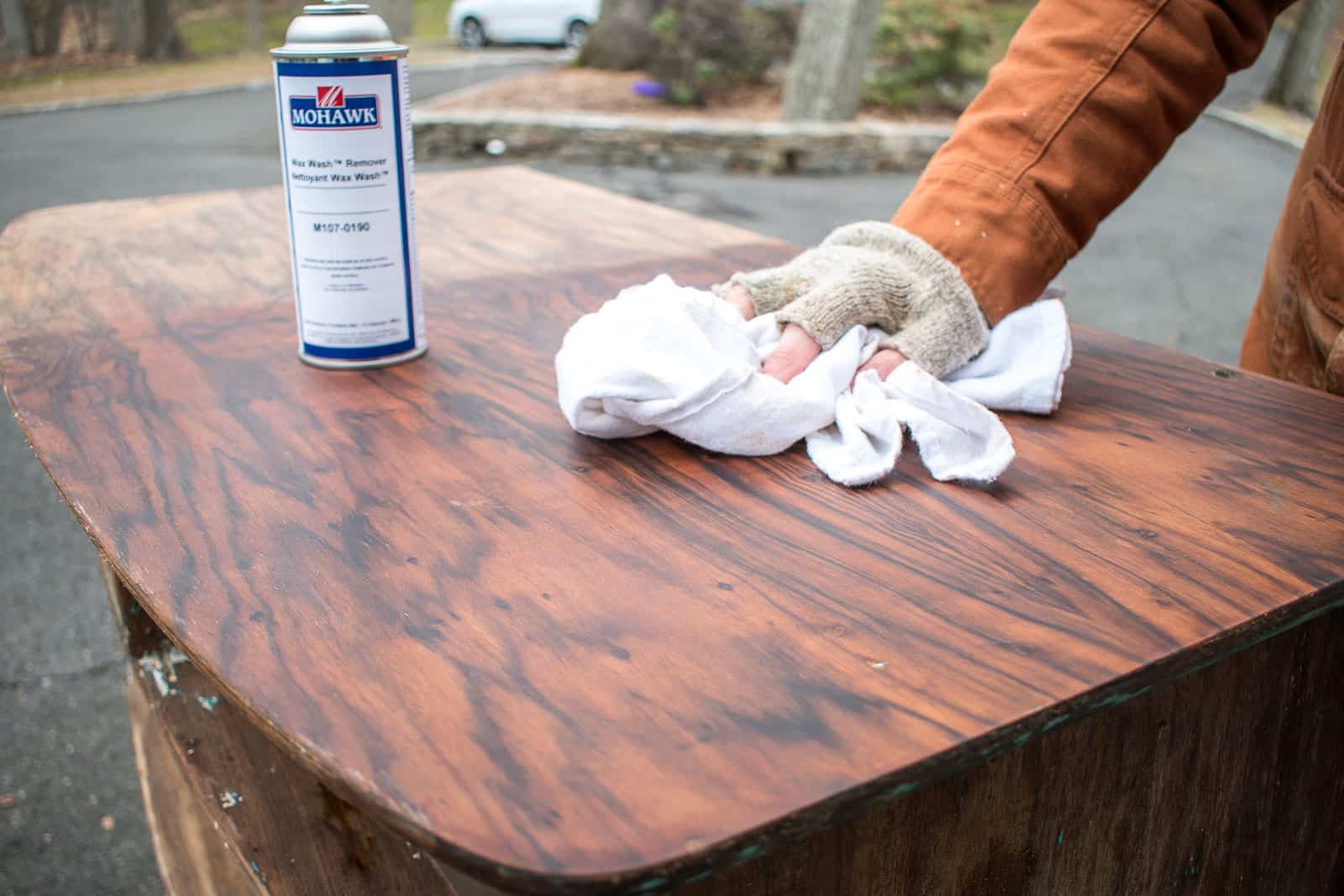
Aftercare: neutralize, clean, repair, and refinish
Stripping is half the job. The finish is the other half.
- Neutralize per product. Water-based gels often rinse with water and soap. Some need mineral spirits.
- Let wood dry a full day. Longer if it feels cool or damp.
- Light sand to smooth raised grain. 150–180 grit is enough.
- Fill dents with stainable wood filler if needed.
- Wipe with a tack cloth.
- Seal with dewaxed shellac if you plan to stain. This can even out blotch on pine.
- Apply your stain or clear coat.
If you ever doubt what removes paint from wood and leaves it ready for stain, remember this combo: gel strip, proper neutralize, light sand, and clean finish.
Troubleshooting and pro tips
Problems happen. Here is how I fix the common ones.
- Sticky residue after stripping: Reapply a thin coat of stripper. Let it sit. Scrape again. Wipe with the proper neutralizer.
- Scorch marks from heat: Feather sand by hand with 180 grit. If deep, use oxalic acid to lighten, then rinse and dry.
- Raised grain: Let the wood dry. Sand lightly. Do not over-sand softwoods.
- Paint in pores (oak, ash): Use a brass brush with solvent. Work with the grain.
- Splotchy stain after stripping: Seal with a thin coat of dewaxed shellac. Then stain.
Pro tips from my shop:
- Sharpen your scrapers often. A keen edge saves time.
- Keep a set of shaped scrapers for profiles.
- Work in small zones. Finish one area before you move on.
- If you think “one more pass,” stop and let the chemistry work.
- Ask yourself again what removes paint from wood for your exact case. Pick the least harsh path that does the job.
Eco-friendly choices and waste disposal
You can strip paint and still be green.
- Choose low-VOC, benzyl alcohol, soy, or citrus-based gels.
- Scrape into a lined bin. Let waste cure before disposal.
- Do not pour solvents down the drain.
- Store solvent-soaked rags in a sealed metal can. They can self-ignite.
- Check local rules for hazardous waste drop-off.
When readers ask what removes paint from wood and is eco-friendly, safer gel strippers plus careful disposal is my go-to plan.
Cost, time, and project planning
Know what you will spend and how long it will take.
- Small chair or side table: 2–4 hours of labor. 10–20 dollars in supplies.
- Interior door, both sides: 1 long day. 25–40 dollars in gel and tools.
- Room of trim: A weekend or two. Plan for breaks.
- Tools that pay off: Quality scrapers, a mid-range heat gun, HEPA shop vac, and a good respirator.
If time is tight, pay a pro for the stripping and do the refinish yourself. And if you need a fast rule for what removes paint from wood with the best value, choose a safer gel plus a heat gun for tough spots.
Frequently Asked Questions of what removes paint from wood
What removes paint from wood without damaging the surface?
Safer gel strippers and a sharp scraper are the best choice. Heat works too if used with care and short passes.
What removes paint from wood the fastest?
A heat gun is fast on thick oil paint. On large flat areas, a strong gel stripper can be just as quick with less risk.
What removes paint from wood if it’s latex?
Denatured alcohol softens latex fast. Citrus or benzyl alcohol gel strippers also work and are gentle on details.
What removes paint from wood when it’s very old and thick?
Use a gel stripper with a long dwell time, then scrape. Follow with heat for the stubborn edges and profiles.
What removes paint from wood if there may be lead?
Use wet methods, gel strippers, and a HEPA vac. Do not dry sand and follow lead-safe rules for cleanup.
What removes paint from wood on delicate carvings?
A thick, clinging gel and shaped scrapers are ideal. Work slow, keep tools sharp, and avoid harsh sanding.
Conclusion
Now you know what removes paint from wood in real-world jobs: safer gel strippers for control, heat for speed, solvents for light coats, and sanding only to finish. Pick the least harsh method that still gets clean wood, and protect your lungs, eyes, and skin.
Ready to start? Choose a small test spot today and follow the steps above. If this helped, share it with a friend, subscribe for more how-tos, or drop your project questions in the comments.
Related posts:
 Masking Tape vs Painters Tape (2026) – Adhesion, Clean Lines & Removal Compared
 Best Heat Gun For Removing Paint From Wood– Powerful, Safe & Expert‑Tested Models
 What Paint Color Goes With Cherry Wood Furniture?– Best Wall Colors That Work
 Can I Paint Over Varnished Wood Without Sanding? (2026) – What Actually Works