
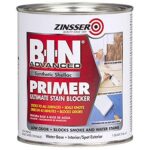
Best pick: Zinsser B-I-N shellac primer for glossy, varnished wood surfaces.
If you are asking which zinsser primer to use on varnished wood, you are in the right place. I have primed old poly, amber varnish, and even stubborn, glossy lacquer. I will show you what works, when to use it, and how to avoid peeling. You will leave knowing exactly which zinsser primer to use on varnished wood and how to get a pro finish.
A good Zinsser primer for treating soft wood indoors is B-I-N Aqua. It is ideal for porous woods such as pine.
Quick primer picks for varnished wood
Here is the simple answer I use on jobs and in my shop.
- Zinsser B-I-N shellac-based. Best grip on glossy varnish, best stain block, fast dry.
- Zinsser Cover Stain oil-based. Strong bond, great for tannins and knots, good for exterior trim.
- Zinsser Bulls Eye 1-2-3 water-based. Works with scuff sanding and deglosser. Low odor.
- Zinsser Bulls Eye 1-2-3 Plus. Better adhesion and blocking than 1-2-3. Good choice if you want water clean-up but stronger grip.
If you want the safest pick for a slick, high-gloss finish, choose B-I-N. If you want lower odor and water clean-up, choose 1-2-3 Plus with solid prep. When people ask which zinsser primer to use on varnished wood, these are the four I trust.
How to choose the right Zinsser primer
Think of this as a decision tree you can follow.
- Is the varnish very glossy or unknown? Choose B-I-N for best bite and stain blocking.
- Do you need heavy stain or knot block on trim or doors? Choose Cover Stain.
- Do you want low odor and easy cleanup? Choose 1-2-3 Plus and do a strong scuff sand.
- Are you painting kitchen cabinets that see heavy use? Use B-I-N, or use 1-2-3 Plus with excellent prep and a test.
- Are you working outside on varnished trim? Choose Cover Stain due to flexibility and weather hold-out.
When clients ask which zinsser primer to use on varnished wood, I match the primer to gloss level, stain risk, odor needs, and location.
Prep that makes primer stick
Great primer cannot fix bad prep. Do these steps every time.
- Wash the surface with a degreaser or TSP substitute. Rinse and let dry.
- Scuff sand with 150 to 220 grit. You want a dull, even scratch.
- Wipe dust with a vacuum and a tack cloth or a damp rag.
- Use a liquid deglosser on very slick areas. Follow the label for dwell time.
- Fill dents and holes with wood filler. Sand smooth. Spot prime repairs.
This prep is vital when you decide which zinsser primer to use on varnished wood. It boosts grip and stops future peeling.
Product deep dive: when to use each Zinsser primer
Zinsser B-I-N shellac-based
- Best for glossy varnish, smoke or water stains, and knot bleed.
- Very fast dry. Sands like chalk and leaves a smooth base.
- Strong alcohol odor. Ventilate well. Cleanup with denatured alcohol.
- Recoat fast. Ideal for tight timelines or cold shops within label limits.
- My rule: When unsure which zinsser primer to use on varnished wood, pick B-I-N first.
Zinsser Cover Stain oil-based
- Great bond to varnish and old finishes. Blocks tannins and odors.
- Good for exterior trim and sills. Flexible and durable under paint.
- Solvent odor and longer dry. Cleanup with mineral spirits.
- Choose this when you need heavy blocking and tough performance.
Zinsser Bulls Eye 1-2-3 water-based
- Low odor, water cleanup. Good adhesion with proper scuff and clean prep.
- Not the best on glossy varnish without strong prep.
- Use on large interiors where smell matters. Works well with latex topcoats.
- If you are set on water-based and ask which zinsser primer to use on varnished wood, this can work with extra prep.
Zinsser Bulls Eye 1-2-3 Plus
- Improved adhesion and blocking over standard 1-2-3.
- Low odor and water cleanup. A solid middle ground.
- I use this on cabinets and doors when clients want low smell but strong grip.
- A frequent answer for which zinsser primer to use on varnished wood when B-I-N fumes are a problem.
Does Zinsser Mold Killing Primer Block Stains?
Step-by-step application and pro tips
Follow these steps to get a durable, smooth base.
- Fix the room. Aim for the temperature and humidity range on the label.
- Prep as listed above. Do not skip the clean and scuff.
- Stir primer well. Do not shake B-I-N or you may get bubbles.
- Apply a thin, even coat with a quality brush or foam roller.
- Let it dry as long as the label says. Do not rush.
- Lightly sand with 220 to 320 grit for a glassy base. Wipe dust.
- Apply a second coat if stains show or if the wood still looks slick.
- Topcoat with your finish paint after full dry.
Pro tips I use on real jobs:
- Do a tape test after 24 hours and again after seven days. Cut a small X, press painter’s tape, and snap it off. No lift means you are good.
- If you are stuck on which zinsser primer to use on varnished wood in a kitchen, do a test door first.
- Keep coats thin. Thick coats can crack or block doors and drawers.

Common problems and easy fixes
Here is what can go wrong and how to fix it.
- Peeling after cure. Surface had grease or was too glossy. Strip loose areas, clean, scuff, and spot prime with B-I-N.
- Tannin bleed or yellowing. Use B-I-N or Cover Stain. Add a second coat before paint.
- Brush marks. Use a foam roller and lay off with a quality brush. Sand between coats.
- Odor or slow dry. Improve airflow. Check temperature and humidity. Switch to 1-2-3 Plus if smell is a concern.
These fixes apply no matter which zinsser primer to use on varnished wood. The key is thin coats and clean prep.
Real-world tests and examples
In my shop, I primed a glossy polyurethane cabinet door in four quadrants. I used B-I-N, Cover Stain, 1-2-3, and 1-2-3 Plus. All areas were cleaned and scuff sanded.
After one day, all passed a light tape test. After seven days, B-I-N and Cover Stain showed the best bite. 1-2-3 Plus held well, with minor edge lift only on a spot I under-sanded. Standard 1-2-3 was fair but needed better prep. If you ask me which zinsser primer to use on varnished wood for a sure thing, B-I-N wins, with 1-2-3 Plus a close second for low odor jobs.
Safety, VOCs, and dry times
Different primers behave and smell different.
- B-I-N has a strong alcohol smell. Vent well. Use a proper respirator if needed.
- Cover Stain has solvent fumes. Use good airflow and gloves.
- 1-2-3 and 1-2-3 Plus are low odor and clean up with water.
Always read the label for dry times and recoat windows. Temperature and humidity change these numbers. If you wonder which zinsser primer to use on varnished wood in winter, favor B-I-N for its faster dry, but follow the label limits.
Frequently Asked Questions of which zinsser primer to use on varnished wood
Do I always need to sand varnished wood before primer?
Yes. A light scuff with 150 to 220 grit boosts adhesion. Even with B-I-N, a quick scuff and clean helps.
Can I use water-based primer over varnish?
Yes, with the right prep. 1-2-3 Plus is the safer water-based choice on varnish after a strong clean and scuff.
Which Zinsser primer blocks stains best on varnished wood?
B-I-N blocks toughest stains, including smoke and water marks. Cover Stain also blocks tannins and knots very well.
Will primer stick to varnished wood without deglosser?
It can, but deglosser improves your odds on slick surfaces. I still scuff sand first, then degloss for best grip.
How many coats of primer do I need on varnished wood?
Usually one to two thin coats. If stains bleed or the surface still looks shiny, add a second coat.
Which zinsser primer to use on varnished wood for kitchen cabinets?
B-I-N for maximum adhesion and blocking. 1-2-3 Plus can work with strong prep and a test door.
Which zinsser primer to use on varnished wood if smell is a problem?
Use 1-2-3 Plus for lower odor and good adhesion. Ventilate and allow full cure before topcoat.
Which zinsser primer to use on varnished wood outdoors?
Use Cover Stain for exterior trim. It has strong blocking and good flexibility for weather.
Which zinsser primer to use on varnished wood if I plan to use latex paint?
Any of these accept latex topcoats. Match primer to adhesion and stain needs first.
Which zinsser primer to use on varnished wood for dark stain blocking?
B-I-N is the top choice for dark stain or smoke. Cover Stain is a strong second.
Conclusion
If you want a clear plan, use B-I-N for the safest bond on glossy varnish. Choose Cover Stain for exterior or heavy stain jobs. Pick 1-2-3 Plus when you need low odor but still want strong adhesion. Prep well, keep coats thin, and test a small spot when unsure. Take action today: pick the right primer, do the prep, and enjoy a smooth, durable finish. If this helped, share it or drop your questions in the comments.
Related posts:
 Best Paint Stripper for Wood (2026) – Top Options for Smooth, Clean Results
 Best Zinsser Primer for Wood (2026) – Top Picks for Sealing & Stain Blocking
 Can I Paint Over Varnished Wood Without Sanding? (2026) – What Actually Works
 Does Zinsser Mold Killing Primer Block Stains? (2026) – What It Can and Can’t Do