
Yes, multiple coats of primer can help reduce the appearance of minor surface imperfections, but they won’t completely hide deep scratches, dents, or holes. Each additional coat builds a smoother base and improves paint adhesion, making the final finish more even. For best results, lightly sand between primer coats and repair significant flaws with filler or putty before priming to ensure a flawless painted surface.
Essential Tools to Actually Fix Wall Imperfections
Product Why it’s the Best for Imperfections Key Feature 3M Sanding Sponge (Fine/Medium) Best for Smoothing. Essential for leveling the surface before priming. Washable, reusable, and contours to corners. Zinsser B-I-N High-Hide Primer Best for Color Hiding. The industry standard for covering stains. Shellac-based; dries in 15 minutes. Red Devil One-Time Spackle The Real Solution. Fills the holes that primer can’t. No-sand formula; won’t shrink or crack.
If you want smoother walls, you need the right steps and products, not guesswork. I have prepped hundreds of walls, cabinets, and trims. I know the pain of chasing bumps and stains. This guide answers Will multiple coats of primer hide imperfections? with clear, real-world advice, pro tips, and the best methods that actually work.

Best mm Roller for Painting Walls – Expert‑Recommended Rollers for Smooth Coverage
How primer really works on flaws
Primer does four main jobs. It seals porous surfaces. It boosts adhesion for paint. It blocks stains and tannins. Some primers also add a thin build that can soften tiny texture. Will multiple coats of primer hide imperfections? Only the very small ones.
Think of primer like a base coat that grabs paint and levels micro texture. It is not spackle or joint compound. It does not fill dents or cover bad seams. For that, you still need patching, sanding, or a skim coat.
From my projects, one coat of a standard latex primer adds a tiny film. Two coats can mute light roller stipple or hairline scratch marks. Heavy brush marks, nail pops, and sharp ridges will still show. Will multiple coats of primer hide imperfections? Not without prep first.
When multiple coats help and when they do not
Multiple coats help when flaws are shallow and broad. They do not help when flaws are deep or sharp. Here is a quick way to decide.
- Good use cases
- Light drywall fuzz after sanding.
- Very fine orange peel that needs a softer look.
- Faint water stains after spot sealing.
- Slight sheen differences after patching.
- Poor use cases
- Dents, dings, and nail pops.
- Joint ridges and tape bubbles.
- Texture mismatches you can feel by touch.
- Cracks and holes in wood or drywall.
High build primers can add more thickness. A typical coat can add about 1 to 2 mils dry. Two to three coats can add up to a playing card of build. That helps with light texture only. Will multiple coats of primer hide imperfections? Yes for micro flaws, no for real defects.
I once coated a repaired hallway with three coats of high build primer. It softened old roller stipple, but ridge lines from past patches still telegraphed. I had to skim coat those areas. Will multiple coats of primer hide imperfections? Only if the imperfections are already very slight.
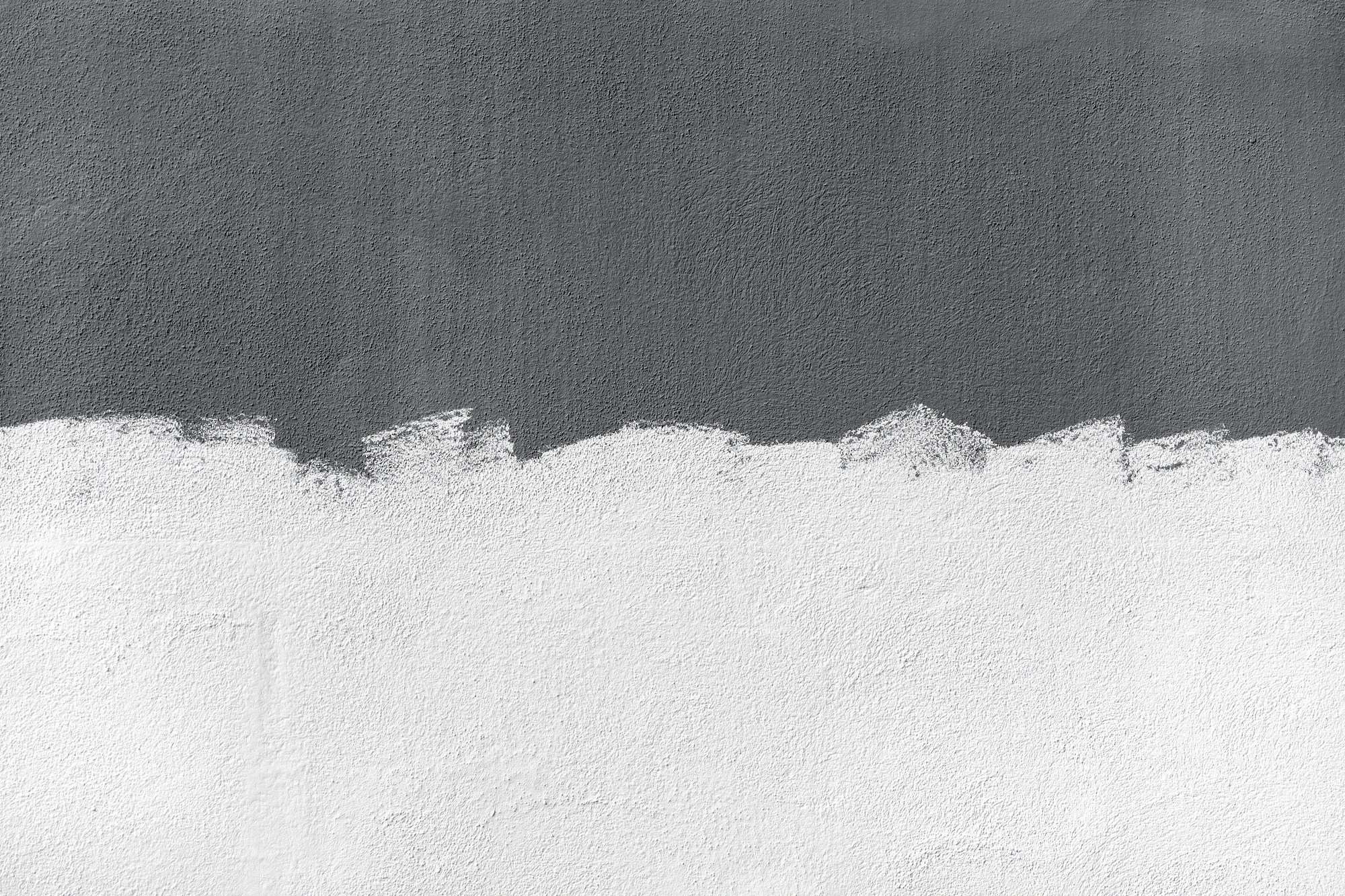
Types of imperfections and the right fixes
Match the fix to the flaw. Use primer to seal and unify. Use fillers and sanding to shape.
- Shallow scratches and sanding swirl
- Use one thin coat of spackle.
- Sand smooth with 220 grit.
- Prime twice.
- Dents, nail pops, and holes
- Set the fastener if needed.
- Fill with setting compound or spackle.
- Sand, spot prime, check under raking light, then prime again.
- Joint ridges and bad seams
- Feather a skim coat.
- Sand with a pole sander and dust extraction.
- Prime with a high build primer.
- Cracks
- V-groove the crack.
- Fill with a flexible filler.
- Prime and check.
- Stains and bleed through
- Spot seal with a stain blocking primer.
- Prime the full wall to even the sheen.
- Then paint.
Will multiple coats of primer hide imperfections? Only after proper filling and sanding for these cases.
How many coats of primer should you apply?
Most walls do best with one to two coats of primer. Use one coat on new drywall after proper sanding. Use two coats if the surface drinks the first coat or if you need extra hiding.
- Use one coat
- New drywall with even mud work.
- Pre-primed trim that is smooth.
- Previously painted walls in good shape.
- Use two coats
- Porous repairs and patched zones.
- Medium texture you want to soften.
- Color changes from dark to light.
Dry times matter. Water based primer often recoats in 1 hour. Oil based needs more time. Shellac blocks stains fast and recoats in about 45 minutes. Always follow the label. Will multiple coats of primer hide imperfections? Sometimes, but only if each coat dries and sands well.
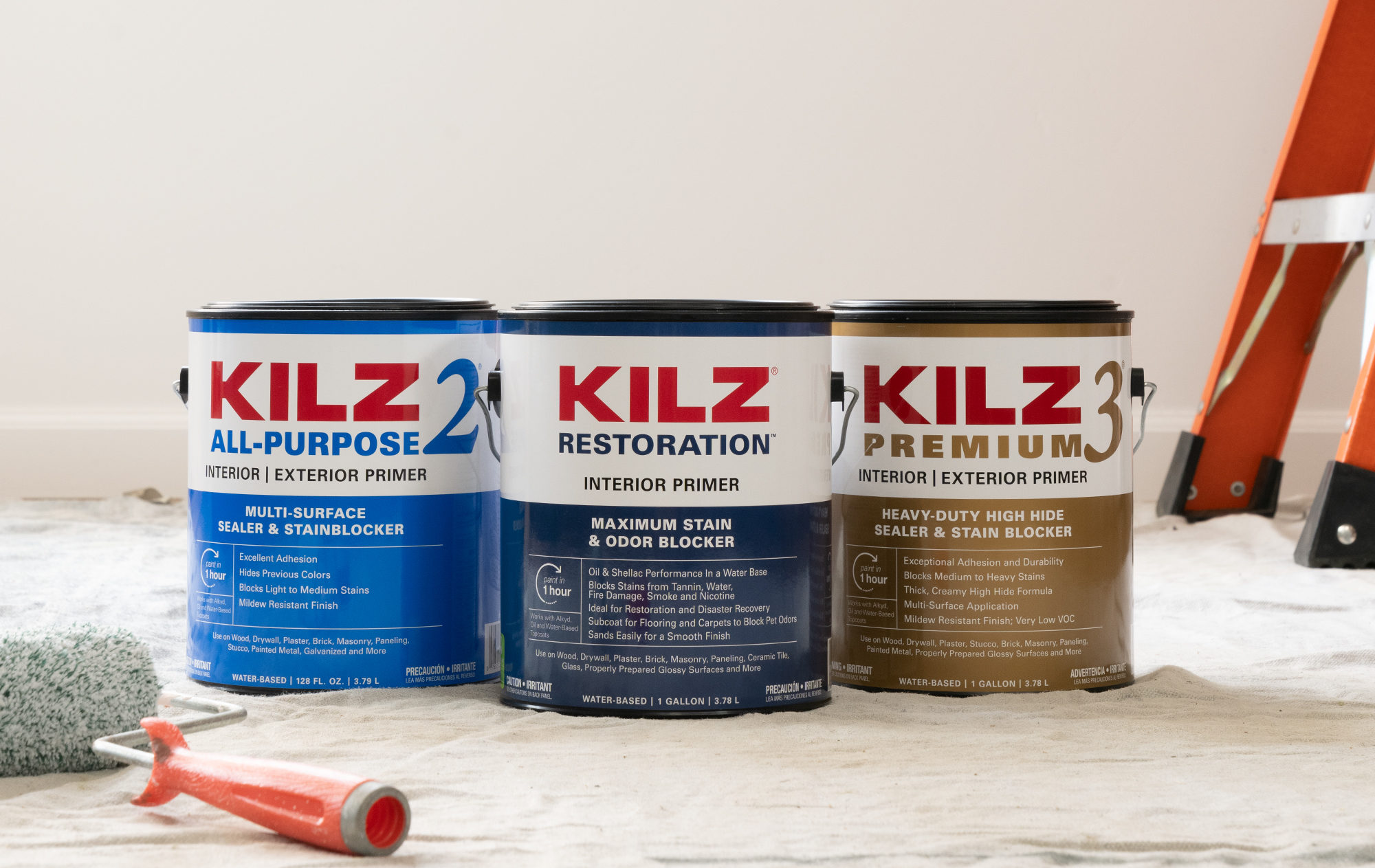
Zinsser BIN Shellac Base Primer Review (2026) – Best Primer for Stains & Odors?
Step-by-step process for smoother walls
Follow a tight workflow. It saves time and gives better results.
- Inspect with raking light at a low angle. Mark flaws with a pencil.
- Fill dents and seams. Use setting compound for big repairs.
- Sand smooth with 120 to 220 grit. Vacuum dust. Wipe with a damp cloth.
- Spot prime patched areas. Let dry. Sand lightly to knock down nibs.
- Apply the first full coat of primer with a quality roller. Let dry.
- Check again with raking light. Circle what still shows.
- Lightly sand. Apply a second coat of primer if the surface is uneven.
- Paint with two coats for final hide.
Will multiple coats of primer hide imperfections? Yes, when steps 1 through 7 are done well.
Picking the right primer and tools
Not all primers are equal. Choose by the surface and the flaw.
- Standard drywall primer sealer
- Best for new drywall and even surfaces.
- High build or surfacer primer
- Best for softening fine texture and minor stipple.
- Stain blocking primer
- Best for water marks, smoke, ink, and tannin bleed.
- Bonding or adhesive primer
- Best for glossy or slick surfaces like laminate.
- Specialty wood primers
- Best for knotty pine and tannin rich woods.
Tools matter too. Use a smooth 3 to 8 millimeter nap for walls you want smooth. Use a quality brush for edges to avoid heavy marks. Strain primer if needed to avoid nibs. Will multiple coats of primer hide imperfections? Only if the primer and tools match the task.
Cost, time, and conditions to plan for
Time and budget are tied to prep quality. Plan for the work, not only the paint.
- Budget tips
- One gallon of primer often covers 300 to 400 square feet per coat.
- High build products cost more but can save a skim coat on light texture.
- Good sandpaper and dust control save hours.
- Schedule tips
- Allow dry and cure time between coats.
- Control room temp and humidity for even drying.
- Use lights at night to spot defects early.
Will multiple coats of primer hide imperfections? Yes for light texture, but deep flaws always cost time to fix.
PAA-style quick answers
Do I sand between primer coats?
Yes, a light sand with 220 grit knocks down nibs. It makes the next coat level out better and adds tooth.
Can I use paint-and-primer-in-one to hide flaws?
It helps with color coverage, not defect filling. Dedicated primer plus proper patching hides flaws better.
Will multiple coats of primer hide imperfections on cabinets?
Only very fine grain or hairline marks. For dents and open pores, fill, sand, and consider a surfacer primer.
Frequently Asked Questions of Will multiple coats of primer hide imperfections?
Will primer fill small holes or dents?
No. Primer is not a filler. Use spackle or filler first, then prime.
Will multiple coats of primer hide imperfections on textured walls?
It can soften very light texture only. Heavy texture needs skim coating or retexturing, even if you ask Will multiple coats of primer hide imperfections?
Is high build primer worth it?
Yes for fine texture and roller stipple. It adds film build fast, but Will multiple coats of primer hide imperfections? Only for tiny flaws.
Can I skip primer if I use thick paint?
No. Paint adds color and some film, but adhesion and stain blocking come from primer. Will multiple coats of primer hide imperfections? Not if you skip the right base.
How do I know if I need a second primer coat?
Check under raking light after the first coat. If patches flash or texture still shows, a second coat helps, but ask yourself again, Will multiple coats of primer hide imperfections?
Does primer hide stains on its own?
Use a stain blocking primer for water, smoke, or tannins. Regular primer may not lock them down.
What grit should I use before priming?
Start with 120 to shape and 220 to finish. A smooth surface lets primer do its best work.
Conclusion
Primer is a smart base, not a magic eraser. Multiple coats can mute light texture and even the surface, but deep dents, ridges, and cracks need filler, sanding, or a skim coat first. Will multiple coats of primer hide imperfections? Yes for micro flaws, never for major ones.
Walk your walls with a light, mark flaws, fix them right, then prime with purpose. You will save time and end with a finish that looks pro. Try the step-by-step plan above, share your results, and subscribe for more practical paint tips.
Related posts:
 Does More Coats of Paint Make It Stronger? – When Extra Coats Help (and When They Don’t)
 Will A Thick Nap Roller Hide Imperfections– Best Nap Size for Rough Walls
 What size roller do professional painters use?– Nap Length & Surface Recommendations
 Rust-Oleum 267313-Painters Touch Latex Paint: Is One Coat a Lie?