Will N95 Medical Mask Protect From Paint Fumes?
If you’re thinking about wearing an N95 medical mask for paint fumes, here’s the quick answer: It’s not enough. An N95 mask is made for dust and some germs, not for strong smells or chemicals in paint. I’ve used N95s when sanding wood or cleaning dusty attics, but when I painted indoors, I felt dizzy even with the mask on. The truth is, N95 masks do not filter out most paint fumes or volatile organic compounds (VOCs), which are tiny chemical particles. For real protection, you need a mask with chemical cartridges, like a proper respirator.
Let’s break down why, and what you really need to know before you start your next painting job.
How N95 Masks Work (and Their Limits)
N95 medical masks are designed for one thing: blocking at least 95% of non-oil-based particles that are 0.3 microns or larger. That means they do a great job against dust, pollen, and some bacteria.
But when it comes to paint, the danger isn’t just the droplets or spray you might see. The real risk comes from fumes—those invisible chemicals in the air after you open a paint can. N95 masks are not made to stop these gases. The fibers in N95s catch particles, but VOCs and other paint chemicals are much smaller and can pass right through.
Quick data: Research shows that N95 masks only filter about 0.04% of common paint fumes like toluene and xylene. This is far below safe exposure limits set by occupational safety agencies.
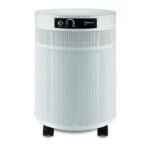
5 Best Air Purifier For Chemical Fumes: These Air Purifiers Are Your Best Defense
Why Paint Fumes Are Dangerous
After years of DIY projects, I’ve learned to respect paint fumes. The strong smell isn’t just unpleasant—it can be harmful.
Paint fumes contain chemicals like:
- Toluene
- Xylene
- Formaldehyde
- Benzene
These can cause headaches, dizziness, and long-term health problems if you breathe them in often. Some are even linked to cancer after long exposure. According to the Centers for Disease Control and Prevention (CDC), even short-term exposure can affect your lungs and nervous system.
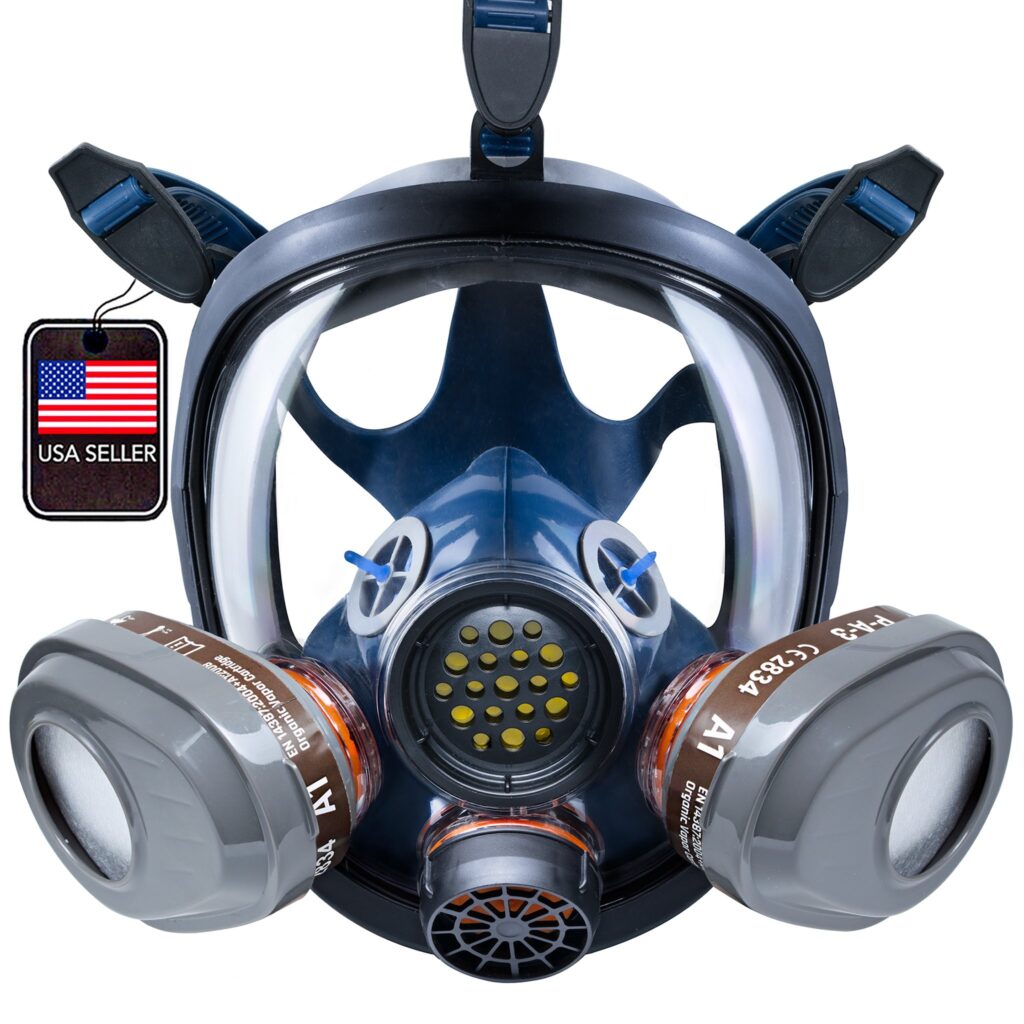
N95 Vs. Respirators: What’s The Difference?
Here’s where many people get confused. N95 masks and respirators might look similar, but they’re built for different jobs.
| Mask Type | Blocks Dust | Blocks Paint Fumes | Comfort Level |
|---|---|---|---|
| N95 Mask | Yes | No | Good |
| Half-Face Respirator (with cartridges) | Yes | Yes | Moderate |
| Cloth Mask | No | No | High |
N95 masks are for dust and particles.
Respirators with the right filters (like organic vapor cartridges) can block paint fumes and gases. I remember painting a small bathroom with only an N95, and the difference was clear: my eyes burned, and I felt lightheaded. When I switched to a real respirator, I felt no irritation at all.
What Makes Paint Fumes So Hard To Block?
Paint fumes are mostly volatile organic compounds (VOCs). These are chemicals that turn into gas at room temperature. They’re much smaller than dust or pollen, so they slip through N95 fibers easily.
Example:
A VOC molecule can be as small as 0. 0005 microns. N95 masks are only tested for blocking particles down to 0. 3 microns. That’s hundreds of times too large for VOCs.
Where An N95 Mask Might Help With Painting
There are a few cases where an N95 mask can help during painting:
- Sanding old paint: Blocks lead dust and debris.
- Sweeping up after sanding: Stops you from breathing leftover dust.
- Cleaning up paint chips: Protects your lungs from particles.
But even in these cases, once you open a can of paint or use a spray, N95s are not enough for the fumes.
What Mask Should You Use For Paint Fumes?
If you want real safety, use a respirator mask with organic vapor cartridges. These are designed to catch chemical vapors and keep your lungs safe.
Look for masks labeled as:
- NIOSH-approved respirators
- With “OV” (organic vapor) or “ABEK” (acid, base, organic vapor, ammonia) cartridges
These masks use special filters filled with activated carbon. The carbon grabs onto the chemicals and stops them from entering your lungs.

How To Choose The Right Respirator
When I first started painting my house, I was overwhelmed by all the mask options. Here’s what I wish I knew:
- Check the label: Make sure it says “organic vapor” protection.
- Fit is key: The mask should seal tightly around your face.
- Replace cartridges: Change them often—at least after every big project, or sooner if you smell chemicals.
- Comfort: If it’s not comfortable, you won’t wear it for long.
Pro tip: The best respirators have adjustable straps and come in different sizes. Try before you buy, if possible.
Other Ways To Reduce Paint Fume Exposure
Masks are just one part of the puzzle. Here are other ways to stay safe:
- Open windows and doors for airflow.
- Use fans to blow fumes outside.
- Choose low-VOC or no-VOC paints.
- Take breaks—don’t stay in a freshly painted room for long.
- Store paint properly to avoid leaks and spills.
Real talk: Even with a good mask, I always leave the room every hour or so to get fresh air.
Common Mistakes People Make
Many beginners (and even some pros) make these mistakes:
- Wearing a mask only part of the time. Fumes can build up fast, even in minutes.
- Using an N95 for all painting jobs. It won’t protect you from gases.
- Ignoring the smell. If you can smell paint, you’re breathing in chemicals.
- Not changing cartridges. Old filters stop working.
My Experience: What Really Works
I’ve painted rooms, furniture, and even cars. My first time, I wore a simple N95 and thought I was safe. After a few hours, I had a headache and felt sick. When I switched to a half-face respirator with the right cartridges, I could paint all day with no issues.
The difference is like night and day. If you care about your health, don’t take shortcuts.

Data: Paint Fume Dangers And Mask Effectiveness
Here are some key stats to keep in mind:
- EPA studies found that indoor VOC levels can be 2 to 5 times higher during painting.
- OSHA recommends a maximum toluene exposure of 200 ppm (parts per million), but even short exposures at lower levels can cause symptoms.
- N95 masks only block large particles, not chemical vapors. Their effectiveness for paint fumes is less than 1%.
| Mask Type | Blocks Dust (%) | Blocks Paint Fumes (%) |
|---|---|---|
| N95 | 95 | 0.04 |
| OV Respirator | 99 | 95 |
| Cloth Mask | 10 | 0 |
When Is It Safe To Use An N95 Mask For Painting?
If you’re only sanding or cleaning up, an N95 is okay. But for any work involving wet paint, solvents, or spray paints, use a respirator. Spray painting creates extra-fine droplets and more fumes, so a higher level of protection is critical.
Example:
When I refinished a table, I used an N95 to sand and prep. But when I started spraying paint, I switched to a half-face respirator. No headaches, no dizziness.
What If You Accidentally Breathe Paint Fumes?
If you feel dizzy, sick, or have trouble breathing, leave the area right away. Get fresh air and see a doctor if symptoms don’t go away. Long exposure is dangerous—even for healthy adults.
Tip: Always tell someone when you’re painting alone, in case you need help.
Extra Tips For Safe Painting
- Read paint labels. Some are more toxic than others.
- Don’t paint in small, closed rooms without windows.
- Wear gloves and eye protection, too.
- Dispose of rags and brushes safely—they can release fumes after use.
- Keep pets and kids away until the smell is gone.
Frequently Asked Questions
Can I Use A Cloth Mask For Paint Fumes?
No, a cloth mask won’t protect you from paint fumes or chemicals. It only blocks large dust particles. For fumes, you need a respirator with organic vapor cartridges.
Is An N95 Mask Better Than No Mask At All When Painting?
An N95 mask is better than nothing for dust or debris, but it does very little against fumes. For painting, especially indoors or with spray paints, you need more protection.
How Long Do Paint Fumes Stay In The Air?
Paint fumes can last from a few hours to several days, depending on ventilation, type of paint, and room size. Good airflow helps clear fumes faster.
Do All Paints Produce Harmful Fumes?
Most traditional paints release some VOCs. Some newer paints are labeled “low-VOC” or “no-VOC,” which are safer but can still have mild fumes. Always check the label.
Where Can I Find More Information About Safe Mask Use?
You can find more guidance on respirators and masks from the CDC’s NIOSH Respirator Guide.
To sum it up, an N95 medical mask is not enough for paint fumes. For your safety, use the right respirator, keep your space well-ventilated, and respect the power of paint chemicals. Your lungs will thank you!