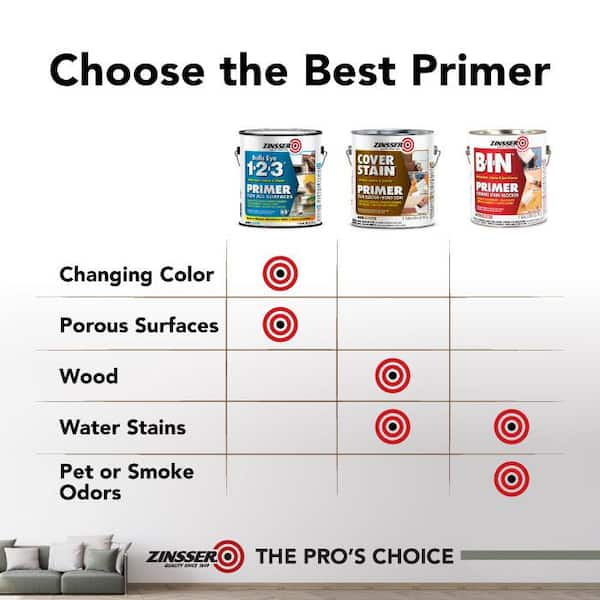
Zinsser 123 Plus blocks tougher stains and adheres better; 123 suits general priming.
If you have wondered about zinsser 123 plus vs 123, you are in the right place. I have used both across glossy trim, smoke-stained kitchens, and chalky exteriors. In this guide, I unpack what matters, share real job notes, and help you choose the right primer with confidence.
Zinsser Mold Killing Primer is a powerful product that kills existing mold, mildew, and odor-causing bacteria. It prevents future mold growth and creates a water-resistant barrier against water damage. This primer also seals and binds to glossy surfaces, so painting over existing surfaces is easier.

What Are Zinsser 123 and 123 Plus?
Both are water-based, all-surface primers from a trusted brand. They stick to many surfaces, dry fast, and clean up with soap and water. They are made for interior and exterior jobs.
Zinsser 123 (often called Bulls Eye 1-2-3) is the go-to for most tasks. It bonds to many surfaces and blocks light to moderate stains.
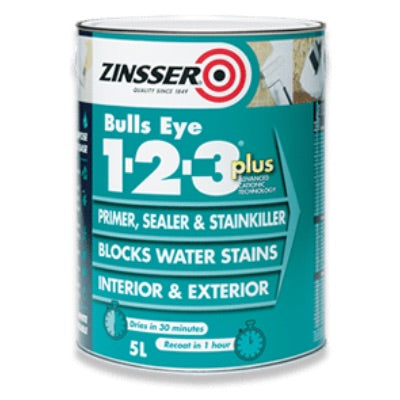
Zinsser 123 Plus is the stronger sibling. It boosts adhesion on slick materials and blocks tougher stains like water marks, smoke, and marker. Think of it as 123 with a bigger tool belt.
When you compare zinsser 123 plus vs 123, both are versatile. Plus wins on stain blocking and tricky surfaces. 123 wins on value for clean, common prep.
Key Differences at a Glance
- Stain blocking: Plus handles tough stains better than 123.
- Adhesion: Plus bites harder on glossy, PVC, fiberglass, tile, and some plastics.
- Coverage: Both give about 350–400 sq ft per gallon, with slight swings by surface.
- Dry time: Both dry fast and can often be recoated in about one hour, weather allowing.
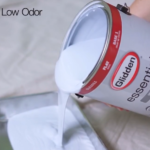
- Odor and VOC: Both are low odor, water-based, and easy to clean up.
- Price: Plus usually costs more due to the stronger formula.
This is the core of zinsser 123 plus vs 123. If stains or slick surfaces are in play, Plus is safer. For clean drywall or bare wood, 123 is often enough.
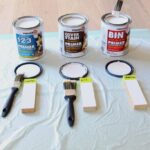
Zinsser 123 Primer vs BIN -Coverage, Stain Blocking & Performance Compared
Adhesion and Surface Compatibility
Adhesion is the make-or-break step. A primer that peels wastes labor and paint.
Where 123 shines:
- Drywall and new plaster: Smooth base and even hide.
- Bare wood: Seals grain on most softwoods.
- Previously painted walls: Good bond after a light scuff.
Where 123 Plus shines:
- Glossy trim and cabinets: Better stick without heavy sanding.
- Tile, glass, and laminate: Extra bite helps in kitchens and baths.
- Vinyl, PVC, and fiberglass doors: Reduced risk of scratching or chipping.
- Coated metals and aluminum siding: Stronger hold with proper cleaning.
Pro tip from the field: For zinsser 123 plus vs 123 on glossy lacquered trim, Plus cuts callbacks. I still scuff sand with a fine pad for best bond. But Plus gives that extra margin when time is tight.
Stripping Paint From Wood: A Common Challenge If you’ve ever tried to remove old paint or varnish from wood

Stain Blocking and Problem-Surface Performance
123 blocks light to moderate stains. It handles minor water marks, pencil, and scuffs. It can slow tannin bleed on many woods, but heavy bleed can push through.
123 Plus aims at tougher spots. It blocks water stains, smoke residue, crayon, marker, and some grease better than 123. It also helps with rust spots on prepared metal.
For zinsser 123 plus vs 123 on tannin-heavy woods like cedar or redwood, both can struggle. Oil-based or shellac primers still lead for severe bleed. Use Plus if you need water-based convenience but expect improved control over 123.
Field note: On a smoke-stained ceiling, one coat of Plus followed by a quality ceiling paint covered in two coats. The same room with 123 needed an extra coat of primer.
Dry Time, Recoat, and Odor
Both 123 and 123 Plus dry fast. Under normal room conditions, they are dry to the touch in about an hour. Recoat time can also be around an hour, but cool or humid rooms take longer.
Both have low odor. Ventilation still helps. For zinsser 123 plus vs 123, dry times are close enough that schedule is rarely the deciding factor. Choose based on surface and stain level instead.
Interior vs Exterior Use and Durability
Both products are rated for interior and exterior. They resist mildew on the paint film and cope well with seasonal swings.
Use 123 on most exterior trim, siding, and masonry after cleaning and dulling the surface. Use 123 Plus when the surface is slick, chalky, or stained. For zinsser 123 plus vs 123 outside, Plus gives you more insurance on chalky siding after proper washing.
Note: Neither is a rust converter. Spot-prime rust with a suitable primer after cleaning to bare, tight metal.
Real-World Tests and Lessons Learned
Cabinet refinish, rental unit:
I tested zinsser 123 plus vs 123 on a glossy melamine side panel. 123 showed minor scratch-through during a fingernail test. 123 Plus held better. After topcoat, both looked fine, but Plus kept edges intact longer.
Water-stained bath ceiling:
123 dulled the stain, but a faint ring reappeared after topcoat. 123 Plus blocked the stain fully with one primer coat. That saved a trip.
Chalky exterior trim:
After a thorough wash, 123 bonded well on most boards. 123 Plus felt more secure on suspect spots, like sun-baked fascia. Less flaking after one season.
Lesson: For zinsser 123 plus vs 123, Plus pays off when the surface or stain raises risk. For clean, normal walls, 123 is cost-effective and dependable.
Application Tips for Best Results
- Clean first: Remove dust, grease, and chalk. Use a degreaser in kitchens and baths.
- Dull glossy: Scuff sand slick areas. A quick pass boosts bond even with Plus.
- Spot test: Do a small area when unsure about plastics or unknown coatings.
- Stir well: Pigments and blockers settle. Mix until all settles are gone.
- Right tools: Use a quality synthetic brush and a 3/8-inch roller for walls. Switch to foam for cabinets if you want a smoother lay.
- Thin coats: Aim for even coverage. Two thin coats beat one heavy coat.
- Cure time: Even after recoat, give the film time to cure before hard use.
These steps raise success with both products and make zinsser 123 plus vs 123 less about guesswork and more about process.
Cost, Coverage, and Value
Coverage for both runs near 350–400 sq ft per gallon, depending on porosity. Heavily stained or rough surfaces lower that number.
123 usually costs less. It is the value pick for new drywall, ceiling touch-ups, and repaint jobs with light prep. 123 Plus costs more but reduces risk on tough jobs. If a callback costs you more than the price gap, Plus is the smarter bet.
When people search zinsser 123 plus vs 123, they often want a one-can answer. In practice, use 123 as your daily driver. Reach for 123 Plus when the surface or stains look tricky.
Safety, Ventilation, and Cleanup
Both are water-based and low odor. Still, open windows or run a fan for good airflow. Wear gloves and keep primer off skin and eyes.
Cleanup is easy. Use soap and water while the primer is still wet on tools. Seal the can tight after use, and avoid freezing storage.
For users comparing zinsser 123 plus vs 123, safety and cleanup are a tie. The choice is about performance, not handling.
Common Mistakes to Avoid
- Skipping cleaning: Dirt and oils kill adhesion fast.
- Heavy coats: Thick layers can sag and slow dry times.
- No scuffing on laminate: Even Plus likes a quick scuff for best grip.
- Rushing topcoat: Let primer dry and vent moisture, especially in damp rooms.
- Using water-based primer for severe bleed: For cedar knots or deep smoke, consider shellac or oil-based.
Avoid these missteps, and zinsser 123 plus vs 123 becomes a win either way.
Which One Should You Buy?
Choose Zinsser 123 if:
- You are priming clean drywall, plaster, or previously painted walls.
- Stains are light and surfaces are not glossy.
- Budget is a key factor and risk is low.
Choose Zinsser 123 Plus if:
- You face water stains, smoke, marker, or light grease.
- The surface is glossy, laminate, PVC, fiberglass, tile, or glass.
- You want extra margin on chalky or sun-baked exteriors.
My short rule for zinsser 123 plus vs 123: If I hesitate at the surface or stain, I reach for Plus. If I do not hesitate, I roll with 123.
Frequently Asked Questions of zinsser 123 plus vs 123
Is Zinsser 123 Plus worth the extra cost?
It is worth it on slick surfaces and tough stains. If your surfaces are clean and simple, 123 is often enough.
Can either primer stop heavy tannin bleed from cedar?
Not always. For hard tannin bleed or knots, a shellac or oil-based primer still leads.
Do I need to sand before using 123 or 123 Plus?
Light scuffing helps, especially on glossy or laminate surfaces. Plus can bond without sanding, but a quick scuff still improves results.
Are both safe for bathrooms and kitchens?
Yes. Both resist mildew on the paint film when applied and maintained as directed. Good cleaning and ventilation help the finish last.
How many coats of primer should I use?
One coat often works on clean surfaces. For stains or slick areas, two thin coats provide better block and build.
Can I use 123 or 123 Plus under oil or latex paint?
Yes. Both accept most latex and oil/alkyd topcoats. Follow label dry times and check compatibility for specialty coatings.
What is the coverage per gallon?
Expect about 350–400 sq ft on smooth surfaces. Porous or rough areas reduce coverage.
Conclusion
The choice between zinsser 123 plus vs 123 comes down to risk. 123 handles everyday walls and trim at a fair price. 123 Plus earns its keep on stains, gloss, plastics, and chalky exteriors.
Pick the primer that fits your surface, not just your shelf. Test a small spot, follow the steps above, and set yourself up for a clean, durable finish. If this helped, share your project, subscribe for more paint tips, or ask a question so we can solve it together.