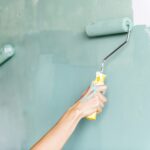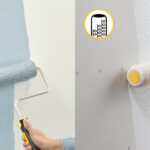
Primer sagging on a wall usually happens when the coating is applied too thickly, the surface is vertical or uneven, or the primer is too thin or watery. High humidity or low temperatures can also slow drying, causing the primer to run or drip. To prevent sagging, apply thin, even coats, allow proper drying time between layers, and use a primer suitable for the wall surface and environmental conditions.\
The Best Solutions to Fix Sagging Primer
The best way to stop sagging isn’t just technique—it’s having the right tools to manage the paint’s flow and the wall’s surface.
1. The Best Tool for Smooth Application: Wooster Brush Pro/Doo-Z Roller Cover
The https://www.google.com/search?q=%231 reason why primer is sagging on the wall is using a cheap, high-nap roller that holds too much liquid. The Wooster Pro/Doo-Z is designed for a shed-resistant, thin, even coat. By applying less material more evenly, you eliminate the weight that causes sags.
- Pro Tip: Always “back-roll” (rolling over the area again without adding more paint) to leveled out the finish.
2. The Best Surface Prep: Klean-Strip Liquid Sander Deglosser
If your primer is sagging because the wall is too “slick” (like old oil-based paint or kitchen grease), you need to give it “tooth.” Instead of hours of dusty sanding, wipe the wall down with Klean-Strip Deglosser. It chemically dulls the surface so the primer sticks instantly instead of sliding down the wall.
3. The Best Emergency Fix: 3M Sanding Sponges (Fine Grit)
If the sag has already dried, you can’t just paint over it—the bump will show through your topcoat. Use these 3M Sanding Sponges to level the drips before your next coat.
Why is My Primer Sagging on the Wall? (The 3 Main Culprits)
If you see “runs,” “drips,” or “waves” in your wet primer, it’s usually due to one of three things: applying it too thick, painting in high humidity, or failing to prep a glossy surface.
| Cause of Sagging | Why it Happens | The Fix |
| Over-Application | Putting too much primer on the roller at once. | Use a [high-quality 3/8″ nap roller]. |
| Poor Adhesion | Primer is “sliding” off a glossy or greasy wall. | Scuff-sand or use a [Deglosser]. |
| High Humidity | Primer stays wet too long and gravity pulls it down. | Increase airflow or use a [Fast-Dry Primer]. |
If you’ve ever muttered, why is my primer sagging on the wall, I get it and I can help. I’ve spent years fixing curtain-like runs and wavy sheets of primer on new drywall, glossy kitchens, and damp basements. This guide shows you the real causes, how to fix the mess today, and how to prevent it for good, with simple steps and pro-level clarity.
Best Paint Primer – Expert-Recommended Primers for Every Surface
What sagging looks like and why it happens
Sagging is when wet primer flows downward and forms waves, curtains, or teardrop runs. It happens when gravity beats the film’s grip on the wall. Thick coats, slick surfaces, or slow dry times are common triggers.
If you are asking why is my primer sagging on the wall, think film build and flow. The film is too heavy or too wet to hold. Add a smooth, un-etched surface and high humidity, and the primer creeps.

Core causes of primer sagging
Here are the usual suspects I see on jobs:
- Overloading the roller or brush. A thick, wet coat will slide before it dries.
- Wrong roller nap. A 1/2-inch nap can lay too much primer on smooth walls.
- Slick or glossy paint underneath. No tooth means weak grip.
- Dust, grease, or soap film. Contamination blocks adhesion.
- Humidity above 70% or low temperature below 50°F. Drying slows and sag starts.
- Primer thinned too much or not mixed. Viscosity drops and flow increases.
- Using the wrong primer for the surface. Drywall needs PVA; glossy needs bonding.
- Skipping scuff sanding. Without micro-scratches, the film can’t key in.
- Spreading too far beyond the rated coverage. Then over-correcting with heavy passes.
If you are thinking, why is my primer sagging on the wall, check these first. Most fixes start with less product per pass and better surface prep.
Quick PAA-style answers
Did I use too much primer?
Yes. Heavy coats are the top reason. Two thin coats beat one thick coat every time.
Is humidity causing the sag?
Often. High humidity slows water evaporation. The film stays soft and moves.
Will a bonding primer stop sagging?
It helps on slick surfaces. It bites in and holds a thin, even film.
How to fix sagging primer right now
I use two playbooks based on whether the primer is still wet or already dry.
- If it’s still wet
- Lightly lay off the runs with a dry brush. Use long, feathered strokes.
- Pull off extra build with the brush, then roll a thin pass to even the sheen.
- Improve airflow and set room temp near 70°F. Do not blast heat at the wall.
- If it’s dry
- Sand the sags smooth with 120–150 grit. Feather the edges wide.
- Wipe dust with a damp microfiber cloth and let it dry.
- Spot-prime thin. Allow full dry time. Then apply a light, even coat to blend.
When people ask me why is my primer sagging on the wall, I tell them this: fix runs by leveling first, then sealing thin. Don’t try to bury sags under more primer. That only makes the wave bigger.

Prep the wall to prevent sagging
Great prep stops 80% of sag problems.
- Wash walls with a paint-safe degreaser. Kitchens and baths need extra care.
- Rinse well and let dry. Soap residue causes slip.
- Scuff glossy paint with 180–220 grit. You want a soft, even dullness.
- Dust with a vacuum and tack cloth. Clean means grip.
- Patch, sand flush, then spot-prime patches. Avoid high build puddles.
- Caulk gaps, wipe smooth, and let cure as directed.
If you keep asking why is my primer sagging on the wall, start by checking prep. A clean, dull, dry surface is the best primer insurance.
Why Does Primer Drip and Run on the Wall? – Common Mistakes Painters Make
Choose the right primer and tools
Match the product to the surface and use tools that control film thickness.
- For new drywall: Use a PVA drywall primer. It seals paper and joint compound.
- For glossy or previously oil-painted trim: Use a bonding primer. It bites into slick coats.
- For stains, nicotine, or knots: Use a stain-blocking primer. Shellac or oil-based blocks best.
- For masonry: Use a masonry primer that breathes and resists alkali.
Tools that help:
- Roller: 3/8-inch nap for smooth walls. 1/2-inch only for mild texture or ceilings.
- Brush: A quality, flagged-tip brush keeps a thin, even layoff.
- Tray grid: Offload excess so the roller is damp, not dripping.
- Mixing stick: Stir to re-suspend solids. Do not thin unless the label says you can.
Manufacturer labels list a spread rate, often 300–400 sq ft per gallon. If you wonder why is my primer sagging on the wall, check your coverage. Using far less area per gallon means you’re laying it on too thick.

Best conditions and technique for a sag-free coat
Good conditions make primer set fast enough to hold its shape.
- Aim for 60–80°F and 40–60% relative humidity.
- Make sure the surface temp is at least 5°F above the dew point.
- Vent with gentle airflow. Avoid blowing air right on the wall.
Technique tips I teach new painters:
- Load, roll a W pattern, then fill and lay off in one direction.
- Keep a wet edge. Work small sections, top to bottom.
- Offload the roller often. You want smooth, even film, not puddles.
- Do two thin coats instead of one heavy coat.
- Respect recoat times. Many latex primers need 1–4 hours, longer in cool, damp rooms.
Any time you ask why is my primer sagging on the wall, measure your coat by feel. If the roller feels heavy or leaves rivers at the edges, you’re overloading.

Troubleshooting by surface type
Different walls have different traps. Here is how I handle the big four.
- Shiny kitchen or bath paint
- Degrease, rinse, and scuff sand. Use a bonding primer in thin coats.
- New drywall with heavy mud bands
- Sand ridges smooth. Use PVA primer. Roll thin, then back-roll to even the film.
- Bare wood with knots or tannins
- Spot-prime knots with shellac. Then prime thin with stain-blocker.
- Masonry or concrete
- Check for moisture. Use masonry primer. Avoid thick coats in damp rooms.
If you are stuck on why is my primer sagging on the wall, match the primer to the surface first. The right chemistry reduces flow and boosts grip.
Lessons from the field
A client’s kitchen once had waves of primer under every cabinet. I had skipped a full degloss and rolled a fat first coat to speed up. Gravity won.
Here is how I fixed it. I sanded the curtains flat, washed with a degreaser, scuff sanded to a dull finish, and switched to a bonding primer. I rolled two thin coats with a 3/8-inch nap and tipped off edges with a dry brush. The walls looked machine-flat. If you are asking why is my primer sagging on the wall, learn from that: thin coats over clean, dull, dry surfaces win.

Safety and cleanup
Stay safe and keep the job clean.
- Wear eye protection and a dust mask while sanding.
- Ventilate well. Some primers have higher VOCs.
- Bag dust and used rags. Follow local rules for disposal.
- Clean latex primer with warm soapy water. Clean oil or shellac with the right solvent.
If you still wonder why is my primer sagging on the wall, slow down and check the basics. Safety, prep, and thin coats save time and stress.
Frequently Asked Questions of Why is my primer sagging on the wall?
Why is my primer sagging on the wall even after sanding?
You may be reapplying too heavy or in bad conditions. Use thinner coats and keep temp and humidity in the ideal range.
Can I fix sagging primer without sanding?
If it is still wet, yes. Lightly lay it off with a dry brush and even it with a thin roll. If it has dried, sanding is best.
Does thinning primer cause sagging?
It can. Too much water or solvent lowers viscosity and increases flow. Follow the label and avoid extra thinning.
What roller nap should I use to avoid sags?
Use a 3/8-inch nap on smooth walls to control film build. Save 1/2-inch nap for textured surfaces or ceilings.
Why is my primer sagging on the wall in my bathroom?
High humidity slows dry time. Vent with a fan, warm the room, and use thin coats of a primer rated for baths.
Will a second coat hide primer sags?
Not if the sags are raised. Sand smooth first, wipe clean, then apply thin, even coats.
Is a bonding primer the best fix if my primer keeps sliding?
It helps on glossy paint and slick surfaces. Still apply light coats and scuff sand for best grip.
Conclusion
Primer sags when film is too thick, the wall is too slick, or the room slows drying. Clean, dull, dry surfaces plus two thin coats and steady conditions solve most issues. If you have asked yourself why is my primer sagging on the wall, you now have a clear plan to fix it and prevent it.
Try the steps on one wall today: sand smooth, prep right, and roll a thin, even coat. Want more help? Subscribe for checklists, ask a question in the comments, or explore my surface-specific guides next.