Primer can develop a raised or uneven surface texture due to improper application, poor surface preparation, or environmental factors. If the surface was dirty, oily, or dusty, the primer may not adhere smoothly. Using the wrong primer thickness, applying too many coats, or painting in high humidity or extreme temperatures can also cause a rough texture. To fix this, lightly sand the raised areas once dry, clean the surface, and reapply primer evenly under recommended conditions for a smooth finish.
Best Paint Primer – Expert-Recommended Primers for Every Surface
Quick Fix: Essential Tools for a Smooth Finish
The Problem The Solution Why it Works Orange Peel Texture Wooster Pro 3/8″ Nap Roller Low-pile nap designed for a smooth, glass-like finish. Gritty/Rough Surface 3M SandBlasting Sponge (Fine) Perfectly contours to the wall to knock down raised primer bumps. Visible Brush Marks Floetrol Latex Extender Slows drying time so the primer “levels out” before it dries.
Raised primer texture comes from poor prep, wrong conditions, or product mismatch.
If you have ever asked, Why does primer have raised surface texture problems?, you are not alone. I have fixed this issue on drywall, trim, cabinets, cars, and furniture. In this guide, I explain the real causes, how to fix them fast, and how to stop them for good. You will learn what the pros check when a primed surface feels bumpy, fuzzy, or like orange peel.
What “raised surface texture” means and how it shows up
Raised texture after primer looks and feels rough or bumpy. You may see fuzz on drywall paper, grain lift on wood, or orange peel from spray. Sometimes it feels like tiny nibs from dust or lint stuck in the film.
On walls, the roller can leave heavy stipple that does not level. On wood, water in the primer can raise fibers, so the surface turns fuzzy. On metal or cars, solvent or air mix can cause orange peel or little craters.
If you are asking, Why does primer have raised surface texture problems?, it helps to name the defect first. That makes the fix clear and quick.
Why does primer have raised surface texture problems? Core causes
Let’s answer the big one head-on: Why does primer have raised surface texture problems? Most cases trace back to five buckets.
- Surface not clean. Dust, drywall fuzz, shop lint, sanding sludge, or silicone will sit in the film.
- Poor prep. Over-sanded drywall paper, open wood grain, and MDF edges drink primer and swell.
- Bad tools. A thick roller nap leaves heavy stipple. The wrong spray tip lays paint too dry.
- Wrong film build. A coat that is too thick or too thin will not level as it should.
- Bad conditions. Cold, heat, high humidity, or wind cause flash-off or slow dry. Both raise texture.
I see this most when teams rush. They sand fast, blow dust around, then roll a heavy first coat. If you wonder, Why does primer have raised surface texture problems?, start with those five. They cause most issues in the field.
Substrate-specific reasons pros look for
Different surfaces raise texture for different reasons. Ask yourself, Why does primer have raised surface texture problems? The answer depends on the base.
Drywall and plaster
- Over-sanded paper gets fuzzy once it hits water-based primer.
- Joint compound dust makes nibs if not wiped or vacuumed.
- Uneven porosity leads to heavy roller stipple and flashing.
Wood and MDF
- Water raises grain. Soft woods like pine and cedar lift fast.
- MDF edges swell and get furry without edge sealer.
- Tannins and resin can bleed, forcing extra coats and more sanding.
Metal and automotive panels
- Spray too dry or too far gives orange peel.
- Solvent pop from heavy coats leaves tiny bumps.
- Old coatings may lift under hot solvents and wrinkle.
Masonry and concrete
- Outgassing from fresh concrete makes bubbles and bumps.
- Chalky or dusty surfaces shed into the primer.
Plastics and composites
- Poor adhesion on glossy plastic beads up and dries bumpy.
- Incompatibility causes soft film that marks and textures.
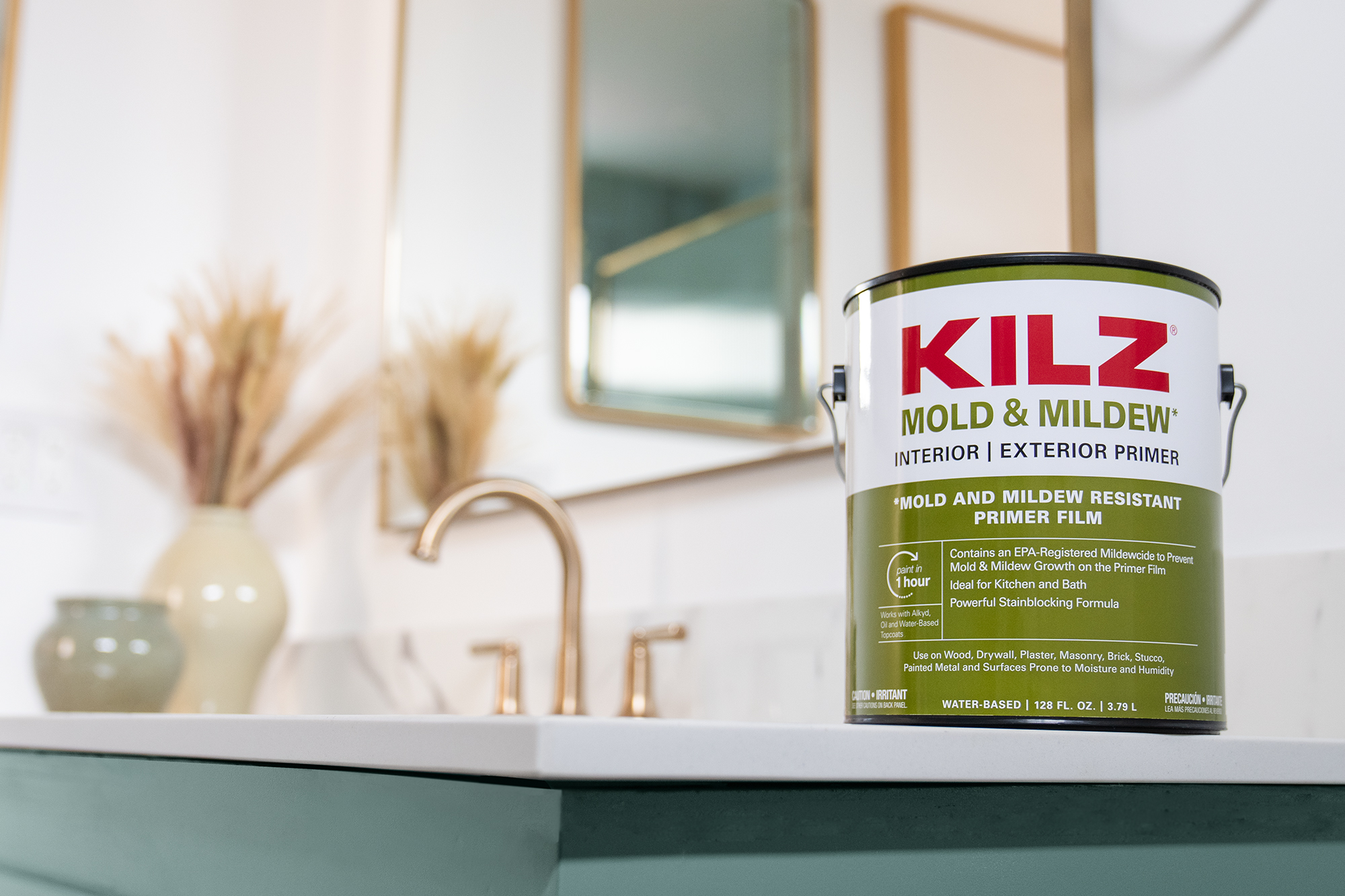
Environment and application factors that raise texture
I keep a simple site check. It answers, Why does primer have raised surface texture problems?, before I even open a can.
- Temperature. Cold primer thickens and will not level. Hot walls skin the film too fast.
- Humidity. High RH slows dry and traps dust. Very dry air flashes solvent too fast.
- Airflow. Fans or wind dry the surface and cause lap lines and orange peel.
- Distance and speed. Spraying too far gives dry spray. Rolling too fast leaves thick stipple.
- Tool choice. A 3/8″ nap for walls, a fine foam roller for doors, the right tip for the product.
Pro tip from the field: Check the dew point. If the surface is near it, moisture forms. That alone can raise texture on metal and wood.
Why Is Primer Alligatoring On Old Paint?– Causes & Easy Solution
Product choice and compatibility matter
A big reason people ask, Why does primer have raised surface texture problems?, is product mismatch.
- Water-based acrylic primers raise wood grain more than shellac or alkyd.
- High-solids primers fill and sand smooth. Low-solids soak in and feel rough.
- Some primers want a specific tip size or reducer. Check the technical data sheet.
- Additives can help flow and leveling. Use only what the maker allows.
- Old oil enamel can lift under hot solvent primers. Test a small spot first.
On cabinets, I often seal bare wood with a sanding sealer or shellac first. Then I prime with a high-build product that sands easy. The surface stays flat with less work.

How to diagnose the real cause in minutes
When clients ask, Why does primer have raised surface texture problems?, I run a quick checklist.
- Rub test. If it feels like fuzz, think wood grain or drywall paper.
- Tape test. If texture pulls off, think adhesion or contamination.
- Light test. Use a raking light. Orange peel looks wavy. Nibs look like dots.
- Solvent test. Wipe with alcohol on a rag in a hidden area. If it gets sticky, you have a soft or incompatible film.
- Scratch test. If it powders and levels with a light sand, you likely have raised fibers, not a major defect.
Document what you see. Note room temp, RH, tools, and times. That makes the fix plan easy.
How to fix raised texture after priming
If you came here asking, Why does primer have raised surface texture problems?, the next step is the cure.
Step-by-step repair
- Let the primer cure per the data sheet. A soft film gums and makes it worse.
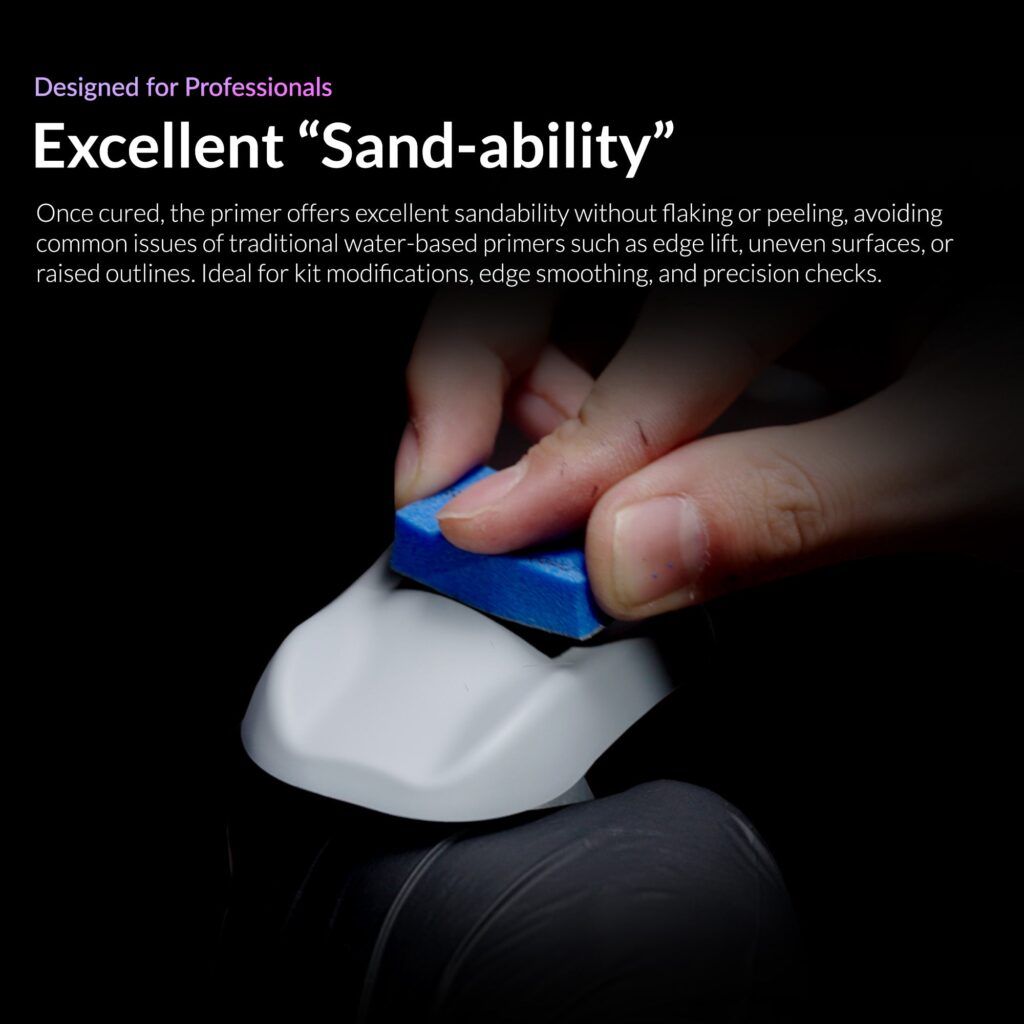
- Dry sand or wet sand to level. For drywall, use 220 grit on a pole sander. For wood trim, use 220–320 on a soft pad. For cars, use 600–800 wet on a block.
- De-nib and clean. Vacuum, then wipe with a tack cloth. Use the right cleaner for metal or plastic.
- Spot prime any burn-throughs. Use a sanding sealer on wood if grain is open.
- Re-prime with the right tool. Thin as directed. Roll with a finer nap or adjust spray tip and pressure.
- Check under raking light. If it looks flat, move on to topcoat.
A real job I had: a kitchen door set sprayed in a cold garage. Orange peel everywhere. We moved the pieces inside, warmed the primer overnight, sanded with 600 wet, then resprayed with the right tip and a small reducer. Glass smooth.
Prevent it next time: a short checklist
To stop asking, Why does primer have raised surface texture problems?, lock down your process.
- Control the room. Aim for 65–75°F and 40–60% RH.
- Strain your primer. Catch lint and skin before it hits the tool.
- Prep right. Vacuum, wipe, and tack. Seal MDF edges and open grain.
- Choose tools with care. Right roller nap, right spray tip, clean brushes.
- Follow the tech sheet. Mix, reduce, and recoat on time.
- Lay thin, even coats. Let it level. Do not overwork with the roller.
- Sand between coats if needed. Use light passes and clean after.
Small habits stack up. They keep the film flat and smooth.
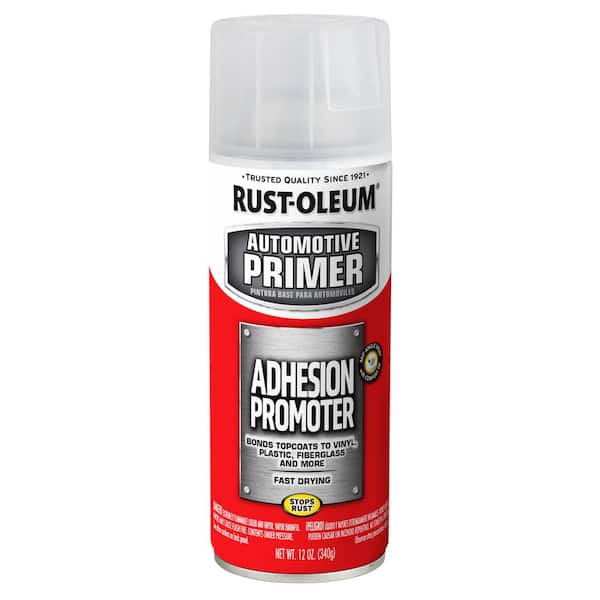
Frequently Asked Questions of Why does primer have raised surface texture problems?
Why does primer have raised surface texture problems on new drywall?
Over-sanding the paper and leaving dust behind are the top causes. Use 220 grit, vacuum well, and prime with a product made for drywall.
Why does primer have raised surface texture problems on wood trim?
Water raises grain and exposes soft fibers. Seal first with sanding sealer or shellac, then sand smooth and re-prime.
Why does primer have raised surface texture problems when spraying?
Dry spray, wrong tip size, or low fluid flow can make orange peel. Adjust distance, pressure, and reducer per the data sheet.
Why does primer have raised surface texture problems in humid rooms?
High humidity slows dry and traps dust on the surface. Control RH, use clean airflow, and extend dry time.
Why does primer have raised surface texture problems after I thin it?
Too much thinner lowers solids and hurts leveling. Follow the maker’s limit and test on a sample board.
Why does primer have raised surface texture problems over glossy paint?
Gloss blocks adhesion and causes drag. Scuff sand to a dull finish, clean well, and use a bonding primer.
Why does primer have raised surface texture problems on MDF edges?
MDF edges are very porous and swell fast. Seal edges first, sand smooth, then apply a thin primer coat.
Conclusion
Raised primer texture is not a mystery. It comes down to prep, product, tools, and conditions. When you know how to spot the cause, you can fix it fast and keep it from coming back.
Put this guide to work on your next job. Run the checklist, do a quick test panel, and dial in your tools. If this helped, share it with a friend, subscribe for more field-tested tips, or drop your question in the comments.