Can Paint Fumes Kill You?
When you start painting your room, the smell can be strong and sharp. Maybe you open a window or wear a mask, but you still wonder: Can paint fumes kill you? This is not just a question for painters or construction workers. Anyone who uses paint at home or work could be exposed. The truth is, paint fumes are more dangerous than many people think—especially in some situations.
Let’s dig deep into what’s in those fumes, how your body reacts, and when exposure becomes life-threatening. This article will give you clear facts, bust myths, and show you how to stay safe. Whether you’re a DIY fan or just want to protect your family, you’ll learn everything you need about paint fumes and their risks.
What Are Paint Fumes?
When paint dries, it releases gases called paint fumes. These fumes are a mix of chemicals. Some paints smell stronger because they contain more volatile organic compounds (VOCs). VOCs help paint dry quickly, but they can be harmful when breathed in.
Types of paints and their fumes:
- Oil-based paint: These have high VOCs. The smell is strong and can last for days.
- Water-based (latex) paint: Lower VOCs, less smell, but still not harmless.
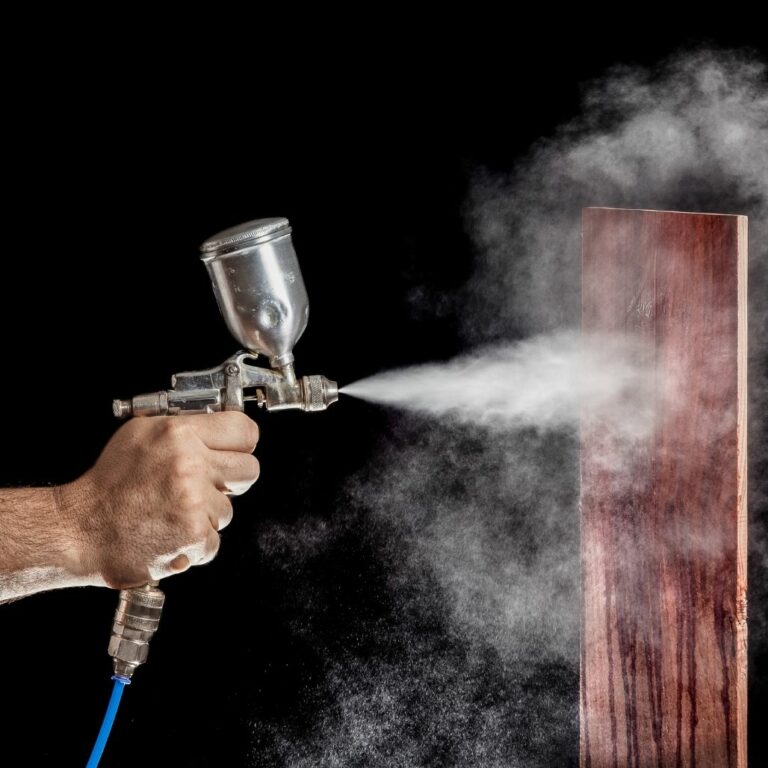
- Spray paint: Often high in VOCs and other chemicals. Easy to breathe in by accident.
What’s inside paint fumes?
- Toluene
- Xylene
- Ethylbenzene
- Formaldehyde
- Acetone
- Benzene (in rare, older paints)
Some of these chemicals are known to be toxic or even carcinogenic (cancer-causing) in large amounts.
How Paint Fumes Affect The Human Body
Breathing in paint fumes can affect your body in different ways. The effects depend on the amount of fumes, length of exposure, and your health.
Short-term Effects
When you first breathe in paint fumes, you might notice:
- Headache
- Dizziness
- Nausea
- Burning eyes, nose, or throat
- Coughing
- Trouble breathing
- Feeling tired or weak
These symptoms usually go away if you get fresh air. But for some people, even short exposure can be risky.
Long-term Effects
If you often breathe in paint fumes over many months or years, more serious problems can develop:
- Liver and kidney damage
- Nervous system problems (memory loss, trouble thinking)
- Asthma or lung disease
- Increased cancer risk (from chemicals like benzene or formaldehyde)
Children, pregnant women, elderly people, and those with lung disease are most at risk.
How The Body Responds
When you breathe in VOCs, they enter your lungs and then your blood. Your body tries to break them down, but some chemicals are harder to remove. Over time, they can build up and cause damage.
5 Best Green Paint For Front Door: Tested That Transform Any Front Door
Can Paint Fumes Kill You? Direct Answer
Yes, paint fumes can kill you—but it’s rare and usually happens in extreme situations. Fatal cases are most often linked to:
- Very high concentrations (like in small, closed rooms)
- Long periods of exposure
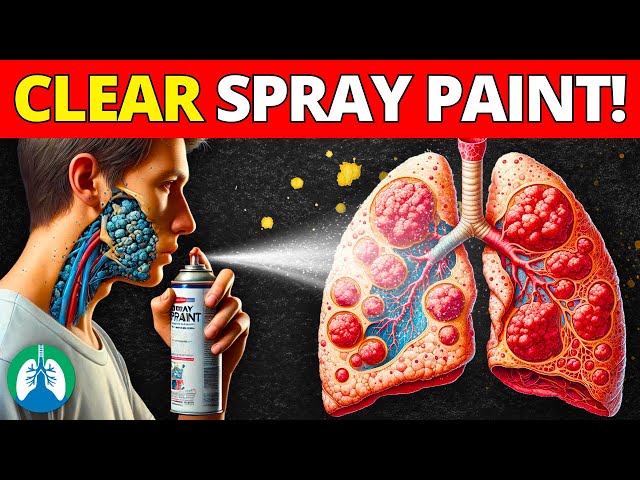
- Intentional inhalation (sometimes called “huffing” or “sniffing”)
- People with existing health problems
Let’s break down how death can happen from paint fume exposure.
How Death Occurs
- Oxygen Deprivation: If fumes are thick, they can push out oxygen in a small space. This can lead to suffocation.
- Heart Problems: Some chemicals cause heart rhythm changes, which can trigger a deadly heart attack.
- Nervous System Shutdown: Certain solvents depress the brain, causing you to stop breathing.
- Chemical Poisoning: High levels of VOCs can overwhelm the liver or kidneys, leading to organ failure.
Real-life Examples
- In 2017, a worker in Texas died after painting inside a poorly ventilated tank. The fumes built up, and he lost consciousness.
- There are reports of people dying after intentionally inhaling spray paints or solvents for a “high”—sometimes after just one session.
How Much Is Too Much?
It’s hard to say an exact amount. But even a few hours in a small, unventilated room with oil-based paint can be dangerous. Children and pets are more sensitive; what’s safe for you might not be for them.
Factors That Increase The Danger
Not everyone exposed to paint fumes will die or even get very sick. But several factors make it more likely:
| Risk Factor | Why It Increases Danger |
|---|---|
| Poor ventilation | Fumes build up quickly; no way for fresh air to enter |
| Small enclosed space | Higher concentration of fumes in the air |
| High-VOC paints | Release more dangerous chemicals as they dry |
| Long painting sessions | More time for fumes to enter the body |
| Pre-existing health issues | Weaker lungs, heart, or immune system |
| Intentional inhalation | Directly breathing in high levels on purpose |
Some people ignore symptoms like dizziness or headache, thinking it’s “just the paint smell. ” That’s a mistake. Early symptoms are a warning sign.
Who Is Most At Risk?
Certain groups are more likely to suffer serious harm from paint fumes:
- Professional painters and construction workers: Long-term exposure, especially without protective gear.
- Children: Smaller bodies, developing brains, and they breathe more air per pound.
- Pregnant women: Some fumes can harm the baby or increase the risk of miscarriage.
- Elderly people: Weaker organs, less able to recover from damage.
- People with asthma or lung/heart disease: Fumes can trigger attacks or worsen symptoms.
- Pets: Especially birds and small mammals; their lungs are very sensitive.
A non-obvious risk: Some people have genetic differences that make it harder for their bodies to break down VOCs. They may get sick from lower amounts.
Short-term Vs. Long-term Exposure: What’s The Difference?
The body reacts differently to a single high dose and to low doses over a long time.
| Exposure Type | Typical Symptoms | Chance of Death |
|---|---|---|
| Short-term, high dose | Dizziness, fainting, fast heartbeat, seizures, coma | High if trapped or intentional inhalation |
| Long-term, low dose | Memory loss, fatigue, chronic cough, organ damage | Low, but increased cancer risk over time |
Most fatal cases come from high, short-term exposure—usually in a closed space or when people are huffing paint.

Common Myths And Misunderstandings
Many people believe myths about paint fumes, which can lead to risky choices.
- “It’s just a bad smell.”
Fact: Smell is a warning, but even low-odor paints can have harmful chemicals.
- “Opening a window is enough.”
Fact: A single window is not always enough, especially in large rooms or when using spray paint.
- “Water-based paints are totally safe.”
Fact: Safer, but not risk-free. They still release some VOCs.
- “You only need to worry if you feel sick.”
Fact: Some damage (like cancer risk) builds up slowly without obvious symptoms.
One thing many beginners miss: Fumes can travel to other rooms, even if the door is closed. Paint in a garage or basement can affect the whole house.
How To Protect Yourself From Paint Fumes
The best way to avoid harm is to reduce your exposure. Here are steps you can take:
Before You Paint
- Choose low-VOC or zero-VOC paints. These are now easy to find in most stores.
- Check the label for safety info. Look for warnings about ventilation and protective gear.
- Plan your painting. Try to paint when you can open windows and doors, not in winter with everything sealed.
While Painting
- Ventilate well. Open windows and doors on opposite sides to create airflow. Use fans if possible.
- Take breaks outside. Every 30–60 minutes, step out for fresh air.
- Wear a mask. Not all masks help; choose a mask rated for organic vapors.
- Keep kids and pets away. Block off the area until it’s aired out.
Pro tip: If you must paint in a small space (like a closet or bathroom), use a portable fan to blow fumes outside. Never point a fan into another room.
After Painting
- Keep airing out the room. Leave windows open for 2–3 days, if possible.
- Store leftover paint safely. Seal the can tight and keep in a shed or garage, not in your living area.
- Dispose of paint properly. Don’t pour it down the drain; follow local rules.
A mistake beginners often make: Sleeping in a freshly painted room. Even after the smell fades, VOCs can still be in the air.
What To Do If You Breathe In Too Much Paint Fume
If you or someone else feels sick after painting, act quickly.
Steps To Take
- Get fresh air immediately. Leave the room and go outside.
- Loosen tight clothing to help breathing.
- Drink water to help your body process chemicals.
- Do not try to “tough it out.” Symptoms can get worse fast.
When To Seek Medical Help
- Trouble breathing
- Chest pain or irregular heartbeat
- Fainting or confusion
- Seizures
- Vomiting that does not stop
Doctors can give oxygen and other treatments to help the body recover.
Paint Fumes And Children Or Pets
Children and animals are not just “small adults. ” They react more strongly to chemicals.
- Babies and toddlers have developing brains. VOCs can harm their growth and learning.
- Pregnant women should avoid painting. Some chemicals cross the placenta.
- Birds are extremely sensitive. Even a little fume can kill them.
- Cats and dogs can develop breathing problems or get poisoned from licking paint.
If you have pets, keep them far from the painting area and ventilate well.
Comparing Paint Types And Their Dangers
Not all paints are equally risky. Here’s a quick comparison:
| Paint Type | VOCs Level | Danger Level | Typical Uses |
|---|---|---|---|
| Oil-based | High | High | Doors, trim, outdoor furniture |
| Water-based (latex) | Low to medium | Medium | Walls, ceilings, crafts |
| Zero-VOC | Very low | Low | Living rooms, bedrooms |
| Spray paint | High | High | Art, graffiti, touch-ups |
Note: Even “green” or “eco-friendly” paints can have a smell. Always read the label.
What About Chronic Exposure? The Hidden Risks
While most people worry about one-time exposures, chronic (long-term) exposure can be just as serious.
- Professional painters may develop memory problems, tremors, or cancer after years of work—even if they never felt sick.
- People living near factories that use paint can have higher rates of asthma and other health problems.
- DIY enthusiasts who paint often in closed garages might not realize how much they’re exposed.
A non-obvious fact: Many health effects appear years later—after the damage is done.
Legal Exposure Limits
Many countries set limits on how much VOCs workers can be exposed to. For example, the Occupational Safety and Health Administration (OSHA) in the U.S. has strict rules for workplaces. These limits are based on studies of what’s “safe” for most adults.
But at home, there’s no one to check the air for you. That’s why following safety steps is so important.
For more details on paint safety and VOCs, the EPA offers reliable information.
Final Thoughts: Should You Be Worried?
Paint fumes can kill you, but only in extreme or careless situations. Most people won’t die from painting a bedroom. But the risks are real—especially for children, pets, pregnant women, and people with health issues.
Don’t take chances. Use safer paints, ventilate well, and listen to your body. If you feel sick, stop right away. A little caution now can prevent big problems later.
Frequently Asked Questions
Can Sleeping In A Freshly Painted Room Harm You?
Yes. Even if you don’t notice a strong smell, VOCs can still be in the air. Sleeping in a room that was just painted, especially with oil-based paint, can cause headaches, breathing problems, or worse—especially for children, babies, and pets.
Always let the room air out for at least 2–3 days before sleeping in it.
Are Water-based Paints Completely Safe?
No. Water-based paints are safer because they have fewer VOCs, but they are not 100% safe. They still release some chemicals as they dry. Always use good ventilation and avoid exposing children and pets.
What Are The Signs Of Paint Fume Poisoning?
Early signs include headache, dizziness, nausea, eye or throat irritation, and feeling tired. Severe poisoning can cause confusion, fainting, chest pain, seizures, or trouble breathing. If you notice these, get to fresh air and seek medical help.
How Long Do Paint Fumes Last?
It depends on the paint and the room. Strong fumes from oil-based paints can last several days. Water-based paints usually clear in 24–48 hours. Good ventilation can speed up the process. If you still smell paint after a few days, keep ventilating.
How Can I Reduce The Risk When Painting Indoors?
- Pick low-VOC or zero-VOC paints.
- Paint when you can open windows and doors.
- Use fans to move fumes outside.
- Wear a mask rated for organic vapors.
- Take breaks in fresh air.
- Keep children, pets, and pregnant women away from the area.
Remember, safety first. A little planning goes a long way in protecting your health.