
To learn how to paint galvanized metal without sanding, clean the surface with a degreaser, apply a self-etching primer, and finish with an acrylic latex topcoat. The whole process takes about 24 hours for drying between coats on a standard 50-square-foot area at 70°F.
The result changes based on the metal’s age, your local humidity level, and whether the zinc coating is still intact or already flaking. These three factors decide which primer you’ll actually need.
Who needs to paint galvanized metal
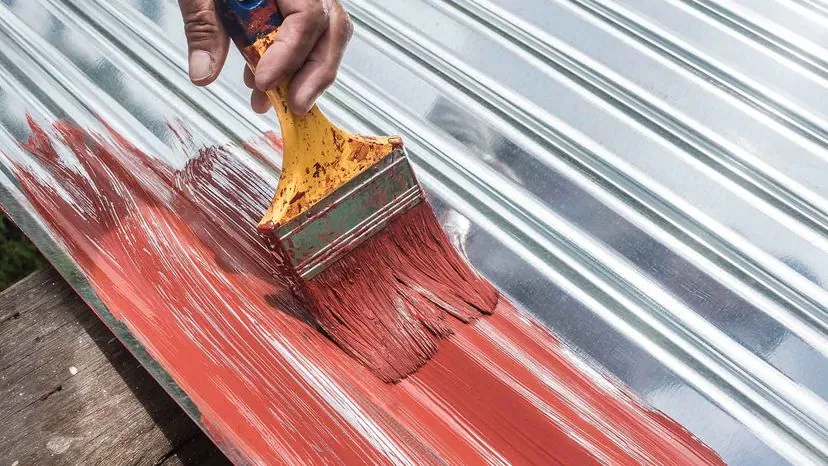
Three different people search for this job. A homeowner has a few-year-old chain-link fence that looks dull but isn’t rusting yet. They want it to match their house color without renting a power sander.
A farm worker deals with old water troughs where the zinc layer is wearing thin in spots. They need a finish that stops rust from spreading under the new paint. A small shop owner just bought brand-new ductwork and wants to paint it before installation while the surface is still smooth.
This page serves the homeowner and the shop owner best. If your metal is actively peeling in large sheets or shows deep red rust pits, skip this guide and hire a professional coating contractor instead. The steps below assume the zinc layer is mostly intact and firmly attached to the steel underneath.
7 Best Stain Block Paint for Water Stains (Top-Rated Reviews)
What decides if the paint sticks
Four things control whether your paint stays on bare zinc or peels off in a month. Getting even one wrong means starting over.
Surface contamination matters most. Galvanized metal leaves the factory coated in oils that prevent white rust during shipping. If you don’t remove them completely, the primer sits on top of the oil instead of bonding to the zinc. Wipe a hidden spot with a clean white rag soaked in mineral spirits; if the rag turns dark, the metal needs a full wash.
Zinc age changes the chemistry. Fresh galvanizing reacts aggressively with acid-based primers. Metal that’s been outside long enough has already formed a stable zinc carbonate layer. You can check this by looking at the shine: bright silver means new, dull gray means weathered.
Humidity during application controls drying time. Paint applied above 85% relative humidity traps moisture under the film. Check your local weather reading before opening the can.
Primer type is where people get it wrong most often. Standard oil-based primers react with zinc to form zinc soap, a chalky layer that causes the topcoat to slide right off. You must use a water-based acrylic primer or a dedicated self-etching formula designed specifically for non-ferrous metals.
5 Best Spray Paint for Galvanized Steel (Stop Rust and Peeling Tested)
Steps to paint galvanized metal
Follow these steps in order for a standard 50-square-foot area at around 70°F. Colder temperatures mean longer waits between each step.
- Wash the metal with a solution of 1/4 cup trisodium phosphate (TSP) per gallon of warm water using a stiff nylon brush. Rinse completely with a hose until no soap bubbles remain.
- Let the surface dry for at least 2 hours in direct airflow. It’s ready when the metal is completely dry to the touch and shows no damp spots.
- Wipe the entire surface with a lint-free cloth dampened with white vinegar to lightly etch the zinc, then rinse thoroughly with clean water and allow to dry completely before priming.
- Apply a single coat of water-based self-etching primer using a synthetic bristle brush or a low-pressure sprayer. Keep the layer thin enough that you can still see the metal’s texture through it.
- Wait 4 to 6 hours for the primer to cure fully. Test it by pressing your fingernail into a hidden corner; if it doesn’t leave a mark, it’s ready.
- Apply the first coat of 100% acrylic latex paint. Use long, overlapping strokes to avoid thick edges that will drip down vertical surfaces.
- Wait 4 hours, then apply a second coat of the same acrylic paint. Two thin coats hold up far better than one thick one.
- Let the finished piece cure for 48 hours before exposing it to rain or heavy handling.
The real judgment call happens at step four. If the primer pools in corners or hides the metal texture completely, you’ve applied too much. Thick primer shrinks as it dries and pulls itself away from the zinc. Stop, wipe the excess off immediately, and reapply a thinner layer. If your project involves structural steel governed by building codes, consult the ASTM galvanizing painting guidelines before choosing your materials.
Situations and what they require
Different conditions change how you handle the metal. Match your situation to the right approach below.
| Your situation | What to do | Time or effort needed | Watch out for |
|---|---|---|---|
| Brand new shiny metal | Wash heavily, use vinegar etch | Extra 30 minutes scrubbing | Factory oils hiding under shine |
| Dull gray weathered metal | Light TSP wash only | Standard 1 hour total | Loose white powdery spots |
| Small patches of white rust | Scrub with wire brush first | Extra 15 minutes per patch | Spreading rust under primer |
| Indoor decorative pieces | Water-based primer only | Standard 1 hour total | Strong solvent smells inside |
| Outdoor fencing or gates | Acrylic exterior topcoat required | Standard 1 hour total | Rain arriving before curing finishes |
| Metal touching soil directly | Coat bottom six inches twice | Extra 20 minutes drying | Moisture wicking upward constantly |
Details that keep paint on galvanized metal
Preparing the surface correctly
A clean surface isn’t just free of dirt; it’s free of invisible oils. Run your bare hand across the washed metal after it dries. If your fingers squeak slightly against the surface, the oils are gone. If they glide silently, wash it again.
Don’t skip the vinegar wipe even if the metal looks perfectly clean. The mild acid opens microscopic pores in the zinc layer. You won’t see the difference, but the primer bonds to those pores instead of sitting flat on top.
Choosing the right primer thickness
Thinner is always better on zinc. Hold your brush at a 45-degree angle and pull it fast.
If you’re spraying, keep the nozzle moving constantly. Stopping for even two seconds in one spot builds a ridge that will peel first. Check the manufacturer’s label on your specific primer can for its maximum recommended wet-film thickness, usually measured in mils.
Fixing common galvanized paint problems
Things go wrong when steps get skipped or rushed. Here’s how to read the signs and fix them.
| What you notice | What it usually means | What to do first | How to stop it happening again |
|---|---|---|---|
| Paint peels in sheets | Wrong primer type used | Strip all paint off completely | Use self-etching primer next time |
| Bubbles appear while drying | Trapped moisture underneath | Pop them, let dry fully | Wait longer before painting |
| Chalky white powder forms | White rust or zinc oxidation present | Remove all white corrosion products mechanically and chemically before priming | Ensure surface is fully passivated and dry before applying compatible primer |
| Topcoat wrinkles up | Second coat applied early | Scrape wrinkled sections off | Follow exact drying times listed |
| Rust spots bleed through | White rust wasn’t removed | Treat spots with rust converter | Inspect thoroughly before priming |
| Paint feels sticky forever | Humidity was too high | Move piece indoors to dry | Check weather readings first |
Rules for painting coated metals
The US Environmental Protection Agency regulates volatile organic compounds (VOCs) in architectural coatings. Water-based acrylic primers and paints generally meet federal VOC limits for outdoor use, unlike many solvent-based alternatives. Check your specific state’s environmental agency website, as states like California enforce stricter limits than the federal baseline.
If you’re painting galvanized metal used for drinking water storage or food contact, standard hardware store paint isn’t suitable for potable water tanks. Contact your local health department or the tank manufacturer to find out which coatings are permitted in your area.
Working with TSP requires rubber gloves and eye protection. It’s a strong alkaline cleaner that burns skin on contact. Don’t mix it with bleach or ammonia.
What this job actually costs
For a standard project like a gate or a few fence panels, materials are inexpensive relative to the alternative. That covers a quart of TSP cleaner, a gallon of self-etching primer, and a gallon of exterior acrylic latex paint. Prices shift depending on your region and the specific brand you choose.
Time is the bigger cost here. The actual brushing takes maybe two hours, but the waiting between steps stretches the job across a full weekend. Rushing the drying phases is exactly why paint fails on zinc.
If you’re covering a larger area like an entire roof or barn siding, switch to five-gallon buckets. The price per square foot drops significantly, but you’ll need a pump sprayer to apply it evenly. Rent one from a local hardware store rather than buying it for a single use.
Keeping the finish intact
Acrylic paint on galvanized metal lasts longest when you catch damage early. Walk past the painted surface once a season and look for chips or scratches that expose bare silver zinc.
When you find a scratch, don’t repaint the whole panel. Clean the exposed spot with rubbing alcohol, dab on a little self-etching primer with a small artist’s brush, and touch up the topcoat once it dries. This takes five minutes and prevents moisture from creeping under the surrounding paint.
Avoid pressure washing painted galvanized metal. The force strips the acrylic layer faster than weather does. Use a garden hose and a soft sponge with dish soap instead. If the finish starts fading uniformly after several years, you can apply a fresh topcoat directly over the old one without reprimering, provided the original layer isn’t peeling.
When you shouldn’t paint galvanized metal
Skip this method if the metal is submerged in water constantly. Pool ladders or dock fittings need marine-grade epoxy systems, not standard acrylic paint. A professional boatyard should handle underwater coatings.
Don’t paint galvanized metal that flexes or bends during normal use. Hinges, springs, and folding brackets will crack any rigid paint film within days. Leave those parts bare or replace them with pre-powder-coated hardware.
If the zinc coating is already gone and the steel beneath is deeply pitted with red rust, painting won’t save it. The structural integrity is compromised. Take it to a welding shop for assessment or replace the part entirely. Trying to seal deep rust traps moisture against the steel, making it rot faster from the inside out.
Frequently asked questions
Can I use regular primer on galvanized metal?
No, standard oil-based primer reacts with zinc to form a soapy layer that makes paint slide off. You must use a water-based acrylic primer or a specific self-etching formula made for non-ferrous metals.
Why does paint peel off my metal fence?
It peels because the surface oils weren’t removed or the wrong primer was used. Zinc needs a chemical bond from an etching primer, not just a physical layer sitting on top of factory grease.
How long does acrylic paint last on galvanized steel?
Expect a limited lifespan outdoors if you prep the surface correctly and apply two coats. High UV exposure or coastal salt air shortens that timeline.
Is it safe to use vinegar on zinc coatings?
Yes, household white vinegar is a mild acid that safely etches the surface without eating through the protective zinc layer. Don’t leave it pooling in one spot for hours; a quick wipe is all it takes.
What happens if I skip the TSP wash?
The primer will stick to the invisible factory oils instead of the metal. Within a few months of temperature changes, the entire paint film will lift away in large sheets.
Does it matter if the metal is hot from the sun?
Yes, painting metal above 90°F causes the primer to flash-dry before it bonds properly. Work in the early morning or move the piece into the shade until it’s cool to the touch.
Can I spray paint galvanized metal instead of brushing?
You can, but you must use an acrylic spray formulated for metal. Keep the can moving constantly to avoid thick drips. Brushing gives you better control over the film thickness on flat panels.
How many coats of primer do I need?
One thin coat is enough. Adding a second primer layer doesn’t improve adhesion and actually increases the risk of cracking. Save the extra layers for your acrylic topcoat instead.
Conclusion
Start by checking your metal’s surface with a clean rag and mineral spirits today. If the rag comes away dirty, wash the whole piece with TSP this weekend and follow the primer steps exactly. You’ll know it worked when your fingernail can’t dent the dried primer. If you discover deep red rust holes during the wash, stop and take the piece to a metal fabricator instead of painting over it.
Related posts:
 Best Paint for Kitchen Cabinets Without Sanding – No Prep, No Mess, Long-Lasting Results | Expert Tested
 Best Paint For Dressers Without Sanding – Durable Paints That Require No Prep
 Best Paint for MDF Furniture Without Sanding – No Prep, Professional Results
 Best Paint For Metal Building Exterior: Tested 5 Rust-Stopping Paints for Old Metal