
Can You Paint A Car With A Wagner Paint Sprayer
Spray painting a car at home can save money, but people often wonder if a Wagner paint sprayer is up to the job. The short answer: Yes, you can paint a car with a Wagner paint sprayer, but it’s not the ideal tool for every situation. Wagner sprayers are made for home and DIY tasks, so the finish may not match professional auto results. Still, with care, proper prep, and the right model, you can achieve a decent car paint job.
Is A Wagner Paint Sprayer Good For Cars?
A Wagner paint sprayer can be used on cars if you want a budget-friendly method and don’t mind a learning curve. These sprayers are designed for home use, not professional auto work, so their results may not be as smooth or glossy as body shop finishes. However, if you use quality automotive paint, thin it properly, and take your time with prep and spraying, you can get a presentable finish on older vehicles, project cars, or touch-ups.
How Do Wagner Paint Sprayers Work For Car Painting?
Wagner sprayers use either High Volume Low Pressure (HVLP) or airless technology to spray paint evenly. You fill the paint container, adjust the nozzle for your spray pattern, and apply paint in thin, overlapping layers. For cars, you’ll need to thin automotive paint to the right consistency and practice to avoid drips and orange peel texture. The sprayer atomizes the paint, laying it down on the surface, but user skill makes a huge difference in the final look.
Key Differences: Wagner Sprayer Vs. Professional Automotive Sprayer
It’s important to know how a Wagner sprayer compares with traditional auto paint guns. See the comparison below:
| Feature | Wagner Paint Sprayer | Professional Automotive Sprayer |
|---|---|---|
| Designed For | DIY, home tasks | Car painting |
| Spray Quality | Good (with practice) | Excellent, mirror finish |
| Paint Types | Household, some auto paints | All auto paints |
| Price | Low | High |
| Learning Curve | Moderate | High |
Professional auto spray guns give finer control, better atomization, and smoother finishes. Wagner sprayers are easier to use but may leave some texture unless you practice and prep well.
Choosing The Right Wagner Sprayer For Car Painting
Not all Wagner sprayers are suitable for car paint. Here’s what to look for:
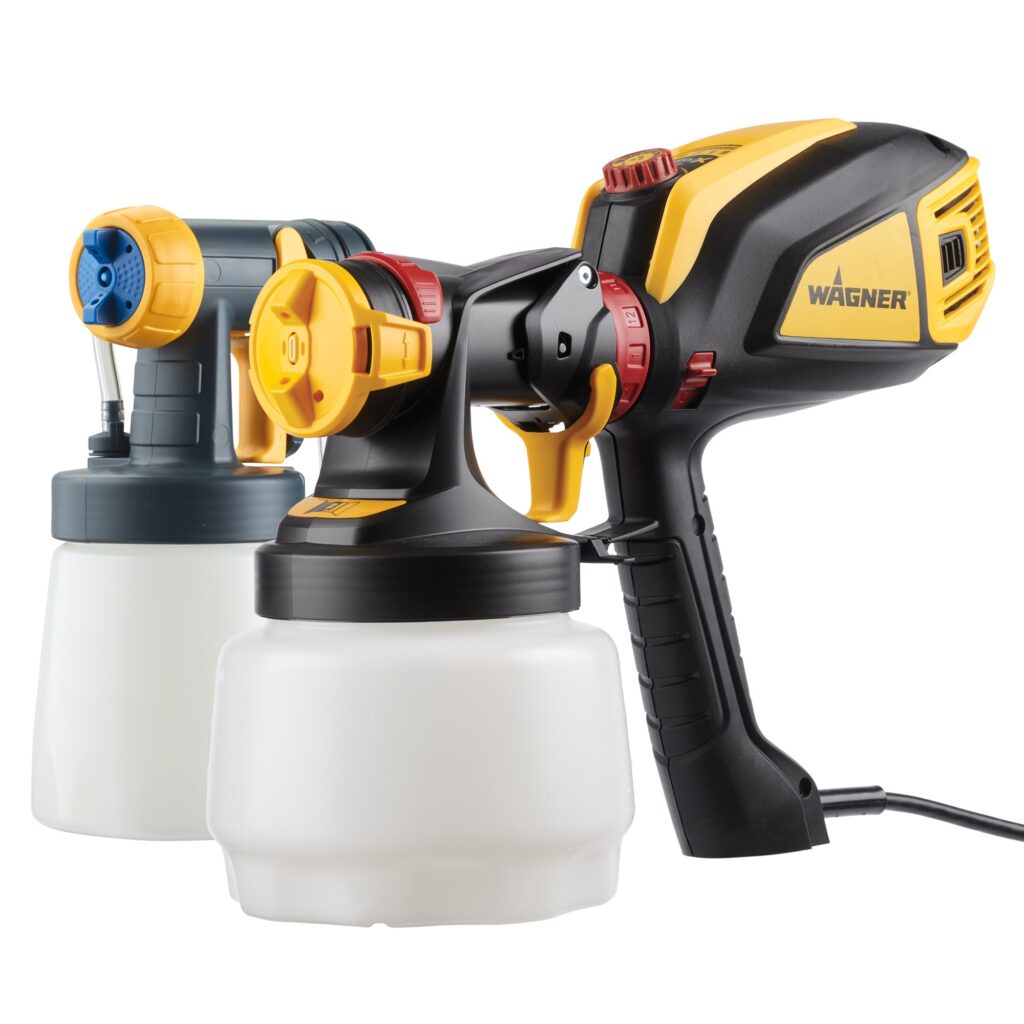
- HVLP models: HVLP sprayers like the Wagner Control Pro series are better for automotive painting because they produce less overspray and more even coats.
- Nozzle size: Use a sprayer with a small, fine tip (1.4mm–1.8mm) for car paints.
- Adjustability: Make sure you can control spray width, flow, and air pressure.
- Compatible materials: Some Wagner models can’t spray automotive paints or clear coats.
- Portability: Choose a model that’s easy to move around a car.
Best Wagner Flexio Paint Sprayer: Tested 5 Wagner Flexio for Any Project
| Model | Best For | Notes |
|---|---|---|
| Wagner Control Pro 130 | Large surfaces | Good for base coats, may need more thinning |
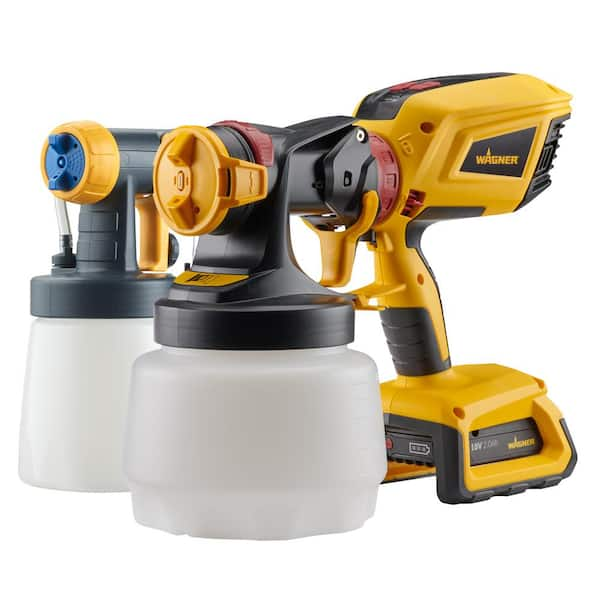
| Wagner Flexio 5000 | General use | Versatile, works with some auto paints |
| Wagner MotoCoat | Automotive projects | Designed for cars, handles thicker coatings |
The Wagner MotoCoat is a top choice if you want a sprayer aimed at car projects.

Steps To Paint A Car With A Wagner Sprayer
Painting a car with a Wagner sprayer takes patience and planning. Here’s how to do it:
- Prepare the area: Work in a clean, dust-free space with good ventilation. Cover floors, walls, and items with plastic sheets.
- Mask the car: Tape off windows, lights, trim, tires, and badges.
- Sand the car: Sand old paint with 400–600 grit sandpaper for a smooth surface. Remove rust and repair dents.
- Clean the surface: Wipe with a tack cloth and degreaser to remove dust and oils.
- Prime the car: Apply a quality automotive primer and let it dry. Sand lightly between coats if needed.
- Thin the paint: Automotive paints often need thinning to spray smoothly. Follow paint and sprayer instructions carefully.
- Practice spraying: Test the sprayer on cardboard to check the spray pattern and adjust settings.
- Spray base coat: Hold the sprayer 6–8 inches from the surface. Move in even, overlapping strokes. Apply 2–3 light coats, allowing drying time between each.
- Apply clear coat: After color dries, spray 2–3 coats of clear. This adds gloss and protection.
- Inspect and correct: After drying, sand out any runs or orange peel with 1500–2000 grit paper, then polish.
Tips For Getting The Best Results
Painting a car with a Wagner sprayer is not as simple as painting a fence. Here are practical tips:
- Use the right paint: Only use automotive-grade paint and clear coat.
- Thin paint correctly: Too thick and it won’t spray, too thin and it may run.
- Practice your technique: Keep the sprayer moving at a steady speed and distance.
- Avoid painting in high humidity or wind: This can cause paint defects.
- Clean the sprayer well: Dried paint can ruin the spray pattern.
A big insight: Temperature and humidity play a huge role in how paint dries. If it’s too cold or too hot, your finish will suffer. Also, don’t rush—let each coat dry fully before adding the next.
Common Problems And How To Solve Them
Many beginners struggle with these issues:
- Orange peel texture: Usually from holding the sprayer too far or paint being too thick. Thin paint more and get closer.
- Runs and drips: Spraying too much at once or holding the sprayer still. Use lighter coats and keep moving.
- Uneven color or coverage: Not enough overlap or missed spots. Overlap each pass by 50%.
- Clogged nozzle: Paint left in the sprayer. Clean the sprayer thoroughly after each use.
Most problems come from improper thinning, poor prep, or lack of practice. Don’t skip sample spraying on scrap materials.
Pros And Cons Of Using A Wagner Paint Sprayer On Cars
Here’s a quick look at what you gain and lose by using a Wagner sprayer for your car:
Pros:
- Affordable compared to pro equipment
- Easier for beginners to set up
- Great for DIY or budget projects
- Good for painting wheels, small panels, or older cars
Cons:
- Not as smooth as professional finishes
- May need more sanding and polishing
- Some paints may be hard to spray
- Slower for large vehicles
If you want a perfect show-quality finish, a professional shop or high-end spray system is better. But for daily drivers or learning, Wagner sprayers can do the job.
Wagner Sprayer Car Painting Vs. Other Diy Methods
Should you use a Wagner sprayer, rattle cans, or brushes? Here’s how they compare:
| Method | Finish Quality | Cost | Skill Needed | Speed |
|---|---|---|---|---|
| Wagner Sprayer | Good (with practice) | Low-Medium | Moderate | Medium |
| Rattle Cans | Fair | Low | Low | Slow |
| Brush/Roller | Poor | Very Low | Low | Slow |
| Pro Spray Gun | Excellent | High | High | Fast |
A Wagner sprayer is a good middle ground for most DIYers who want better than rattle cans but can’t invest in pro tools.
Safety Precautions When Painting A Car
Car paint contains strong chemicals. Always follow these safety tips:
- Wear a respirator mask rated for paint fumes.
- Use eye protection and gloves.
- Spray in a well-ventilated area or outside if possible.
- Keep children and pets away from the workspace.
- Clean up spills quickly and dispose of paint waste safely.
Don’t overlook safety—many paints and thinners are flammable and toxic.
Real-world Examples And Results
Many DIYers have had success using Wagner sprayers for their cars, especially for older vehicles, wheels, and small panels. For example, users report using the Wagner MotoCoat to refinish an old truck with bedliner paint, producing an even, rugged look. Others have sprayed clear coats on project cars with the Flexio 5000 for a decent gloss after careful sanding.
However, first-timers often underestimate the importance of paint thinning and surface prep. A common mistake is rushing or skipping sanding between coats, which leads to rough finishes. The best results come from slow, careful work and correcting mistakes as you go.
Are There Better Alternatives?
If you want a truly flawless finish, a professional HVLP spray gun and air compressor will outperform a Wagner sprayer. These tools offer better atomization and control, which means fewer defects and less sanding. However, they cost more and require more skill.
For quick touch-ups or painting wheels, a Wagner sprayer is convenient and cost-effective. For full car resprays, consider renting or borrowing pro equipment if your goal is a showroom shine.
For more technical details on automotive paint and sprayers, visit the Wikipedia Spray Painting article.
Frequently Asked Questions
Is It Safe To Use Automotive Paint In A Wagner Sprayer?
Yes, if the Wagner sprayer is compatible with automotive paints and you wear proper safety gear. Always check the manual and use a respirator, gloves, and eye protection.
Do I Need To Thin Car Paint For A Wagner Sprayer?
Most automotive paints need thinning to spray well through a Wagner. Follow the paint manufacturer’s ratio and test on scrap material first.
Can I Get A Professional Finish With A Wagner Sprayer?
You can achieve a good finish with practice and preparation, but it may not be as flawless as a professional auto paint gun. Polishing after painting will help improve gloss.
What’s The Best Wagner Model For Car Painting?
The Wagner MotoCoat is made for automotive use, but other HVLP models like the Flexio 5000 can also work if set up correctly.
How Long Does It Take To Paint A Car With A Wagner Sprayer?
Expect to spend several hours on prep, spraying, and drying. Painting itself may take 1–2 hours, but full project time (with prep and sanding) is often a full weekend or more.
Painting your car with a Wagner sprayer is possible and rewarding if you have patience and realistic expectations. With the right prep, tools, and technique, you can save money and learn valuable skills along the way.
Related posts:
 Best Wagner Paint Sprayer For Furniture: Tested 5 Wagner Sprayer for Dressers &Nightstands
 Best Wagner Flexio Paint Sprayer: Tested 5 Wagner Flexio for Any Project
 5 Best Wagner Paint Sprayer For Fence: Top-Rated Wagner Fence Sprayers Tested & Ranked
 5 Best Affordable Exterior Paint: The $40 Paint That Outlasts $100 Cans