
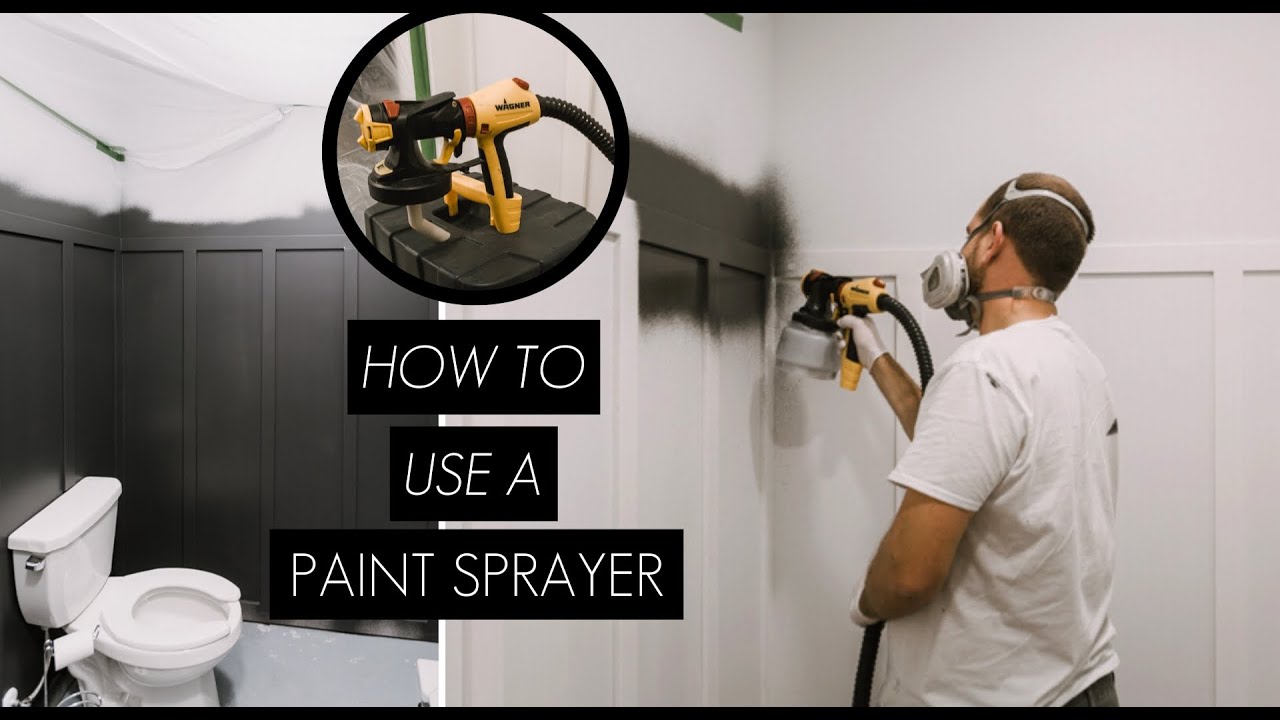
Can you use a Wagner paint sprayer indoors? Yes, you can use a Wagner paint sprayer indoors if you take the right safety steps. Wagner sprayers are designed for both indoor and outdoor use, but indoor spraying needs good ventilation, masking, and careful preparation. With the right technique and control, you can achieve smooth, fast results on walls, ceilings, furniture, and trim, but you must manage overspray and protect your home from paint mist.
Is It Safe To Use A Wagner Paint Sprayer Indoors?
You can safely use a Wagner paint sprayer indoors if you follow key safety rules. Always wear a mask, goggles, and gloves to protect yourself from airborne paint. Make sure the area is well-ventilated by opening windows and using fans. Protect floors, furniture, and fixtures with drop cloths and plastic sheeting. By taking these steps, you minimize health risks and keep your home clean during the project.
What Makes Wagner Paint Sprayers Suitable For Indoor Use?
Wagner sprayers are engineered for versatility, making them great for indoor jobs. Many models have variable pressure controls, which help reduce overspray in enclosed spaces. Their even spray pattern covers surfaces quickly and evenly, saving time compared to brushes or rollers. Some Wagner sprayers use airless technology, which is ideal for large walls, while others have fine-finish tips for cabinets and furniture. Their lightweight design also makes indoor maneuvering easier.
How To Prepare A Room For Indoor Paint Spraying
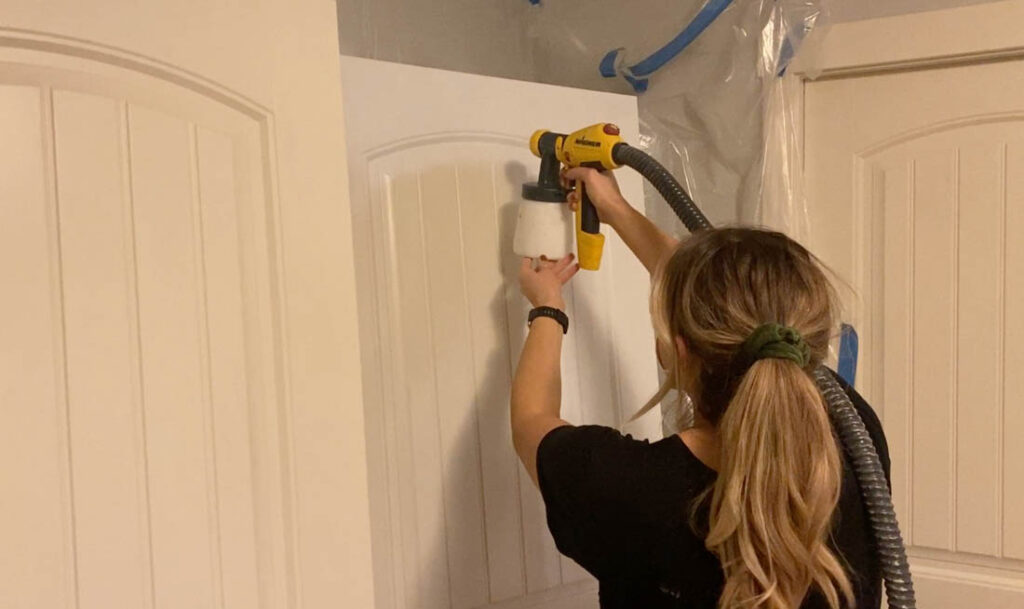
Getting your room ready is crucial before using a Wagner paint sprayer indoors. Start by moving furniture out or covering it with plastic. Remove or mask electrical outlets, light fixtures, and trim with painter’s tape. Lay drop cloths on floors and tape plastic sheets to windows and doors. Open windows for airflow and set up fans if possible. Good preparation prevents accidental paint splatter and makes cleanup much easier.
Key Steps For Using A Wagner Paint Sprayer Indoors
- Read the Manual: Always start by reading your Wagner sprayer’s instructions.
- Test the Spray: Practice on cardboard to adjust settings and spray pattern.
- Maintain Distance: Hold the sprayer 6–12 inches from the surface for best results.
- Move Smoothly: Use steady, overlapping strokes to avoid drips.
- Clean Immediately: Clean the sprayer right after use to prevent clogging.
These steps help you get a professional-looking finish and avoid common mistakes.
5 Best Wagner Paint Sprayer For Exterior House: Tested Sprayers for Exterior Siding & Decks
Managing Overspray And Indoor Paint Fumes
Controlling overspray is important indoors. Always use the lowest pressure that gives good coverage. Work with slow, even passes to direct paint where you want it. Use barriers like cardboard shields for extra protection in corners. For fumes, use low-odor or water-based paints when possible. Run fans and open windows to keep the air fresh, and take breaks to step outside if the smell gets strong.
Wagner Sprayer Models: Indoor Suitability Comparison
Not all Wagner paint sprayers are the same for indoor use. Here’s a quick comparison of popular models:
| Model | Best For | Indoor Use | Notes |
|---|---|---|---|
| Flexio 3000 | Walls, ceilings | Yes | Variable control for less overspray |
| Control Pro 130 | Large surfaces | Yes (with caution) | Powerful, best for big rooms |
| Home Decor | Furniture, cabinets | Yes | Fine finish, easy to handle |
Choose a model based on your project size and control needs.
Common Mistakes And How To Avoid Them
Many DIYers make similar mistakes when using a Wagner paint sprayer indoors:
- Not masking enough. Paint mist travels farther than you think.
- Using too much pressure. This creates more overspray and waste.
- Spraying too close or too far. Stay within the recommended distance.
- Skipping test sprays. Always test your settings before the main surface.
- Forgetting to clean the sprayer. Dried paint ruins performance.
Learning from these mistakes helps you get great results and keeps your space clean.
Best Wagner Paint Sprayer For Furniture: Tested 5 Wagner Sprayer for Dressers &Nightstands
Cleaning Up After Indoor Spraying
Proper cleanup is vital after using a Wagner paint sprayer indoors. First, remove all masking tape and plastic while the paint is still slightly wet. Wipe any stray paint spots with a damp cloth. Clean the sprayer by flushing it with water (for water-based paints) or the right solvent. Wash all parts according to the manual to avoid clogs. Dispose of paint waste safely—never pour it down household drains.
When Not To Use A Wagner Paint Sprayer Indoors
There are times when a Wagner paint sprayer isn’t the best choice indoors. If the room is too small or has poor ventilation, spraying may be unsafe due to fumes. Sprayers are not ideal for tiny touch-ups, very detailed trim, or rooms full of furniture you can’t move. In these cases, a brush or roller gives you more control and less mess.
Real-world Examples: Indoor Projects With Wagner Sprayers
Homeowners often use Wagner sprayers indoors for:
- Painting entire rooms quickly
- Refreshing kitchen cabinets with a smooth finish
- Coating ceilings without roller marks
- Repainting doors and trim for a factory look
For example, painting a 12×12-foot room with a Wagner sprayer usually takes less than an hour—much faster than a roller and with better coverage.

Comparing Sprayers, Rollers, And Brushes Indoors
How does spraying compare to classic methods? Here’s a simple view:
| Method | Speed | Finish Quality | Prep Time | Cleanup |
|---|---|---|---|---|
| Wagner Sprayer | Very fast | Smooth, even | High | Moderate |
| Roller | Medium | Good, some texture | Low | Easy |
| Brush | Slow | Detailed, can show strokes | Low | Easy |
Wagner sprayers offer speed and a pro finish but require more prep.
Non-obvious Insights For Better Results
Many beginners miss these important points:
- Humidity and temperature impact paint drying and overspray. Spray in moderate conditions for best results.
- Paint thinning is sometimes needed with Wagner sprayers for a fine indoor finish. Always check your paint’s label and the sprayer manual.
- Spray pattern selection matters. Choose horizontal for walls and vertical for doors for better control.
- Multiple light coats are better than one heavy coat. This prevents drips and gives an even look.
Paying attention to these details can make the difference between an average and a great project.
Cost And Time Considerations
Using a Wagner paint sprayer indoors can save you hours, especially on big projects. However, factor in the extra time for masking and cleaning. Paint usage may be higher than rollers, as some paint is lost in overspray. Still, the smooth finish and speed often outweigh the extra prep, especially for large or detailed jobs.
Safety Gear And Best Practices
Always use the following gear when spraying indoors:
- Respirator mask (not just a dust mask)
- Safety goggles to protect your eyes
- Gloves to keep paint off your hands
- Old clothes or a painting suit
Never spray near open flames, and keep small children and pets out of the area until all paint is dry and fumes have cleared.
Environmental Concerns
Paint spraying releases more VOCs (volatile organic compounds) into the air than brushing. Use low-VOC or water-based paints to reduce indoor air pollution. Dispose of used paint and cleaning water according to your local rules. For more about paint safety and environmental impact, check the EPA’s Safer Choice program.
Frequently Asked Questions
Can I Use A Wagner Paint Sprayer Indoors Without Making A Mess?
Yes, but only with proper preparation. Cover all surfaces, mask edges, and use the lowest spray setting that gives good coverage. Spraying indoors without prep often leads to paint mist settling on unwanted places.
Is It Faster To Use A Wagner Paint Sprayer Indoors Than A Roller?
Usually, yes. Sprayers cover large areas much faster than rollers. However, you’ll spend more time on setup and cleanup. For big rooms or projects with lots of trim, a sprayer is much quicker overall.
What Type Of Paint Works Best In Wagner Sprayers Indoors?
Most water-based latex paints work well with Wagner sprayers. Some models also handle oil-based paints. Always check your sprayer’s manual for paint compatibility and thinning instructions.
How Do I Reduce Paint Fumes When Spraying Indoors?
Choose low-odor, water-based paints and keep windows open. Use fans to move air outside, and wear a good respirator mask. Take breaks to get fresh air, especially in small rooms.
Do I Need To Thin Paint For Indoor Spraying With A Wagner Sprayer?
Sometimes, yes. Thicker paints may need thinning for a smooth spray. Follow the paint can and sprayer manual for thinning ratios. Testing before you start helps avoid clogs and uneven coverage.
Using a Wagner paint sprayer indoors is practical and safe with the right steps. With good preparation, smart technique, and the right safety gear, you can achieve a professional finish and save time on your next painting project.
Related posts:
 Can You Paint a Car With a Wagner Paint Sprayer? with a $100 Wagner Sprayer
 Best Wagner Paint Sprayer For Furniture: Tested 5 Wagner Sprayer for Dressers &Nightstands
 Is Primer Safe to Use Indoors?– How to Minimize Fumes & Risks
 Best Wagner Flexio Paint Sprayer: Tested 5 Wagner Flexio for Any Project