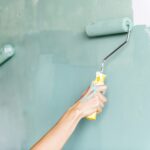
Eggshell paint can look uneven for several common reasons. The most frequent cause is inconsistent application, such as applying different pressure with the roller or overlapping paint that has already started to dry. Poor surface preparation—like dust, grease, or old glossy paint—can also prevent the paint from adhering evenly. Another factor is insufficient lighting during painting, which makes it harder to spot thin or thick areas while the paint is still wet. In some cases, low-quality rollers or brushes leave patchy textures that become visible once the paint dries. To avoid an uneven eggshell finish, make sure the wall is properly cleaned and primed, use high-quality tools, maintain a wet edge while rolling, and apply at least two even coats.
Eggshell paint looks uneven because of poor prep, roller technique, or lighting.
If you’ve ever finished a room and thought, Why does eggshell paint look uneven?, you’re not alone. I’ve solved this problem in homes, rentals, and commercial jobs. In this guide, I’ll explain the real reasons eggshell paint misbehaves, how to fix it, and how to get a smooth, even finish every time—no guesswork, just proven steps.
What eggshell paint really is (and why it shows flaws)
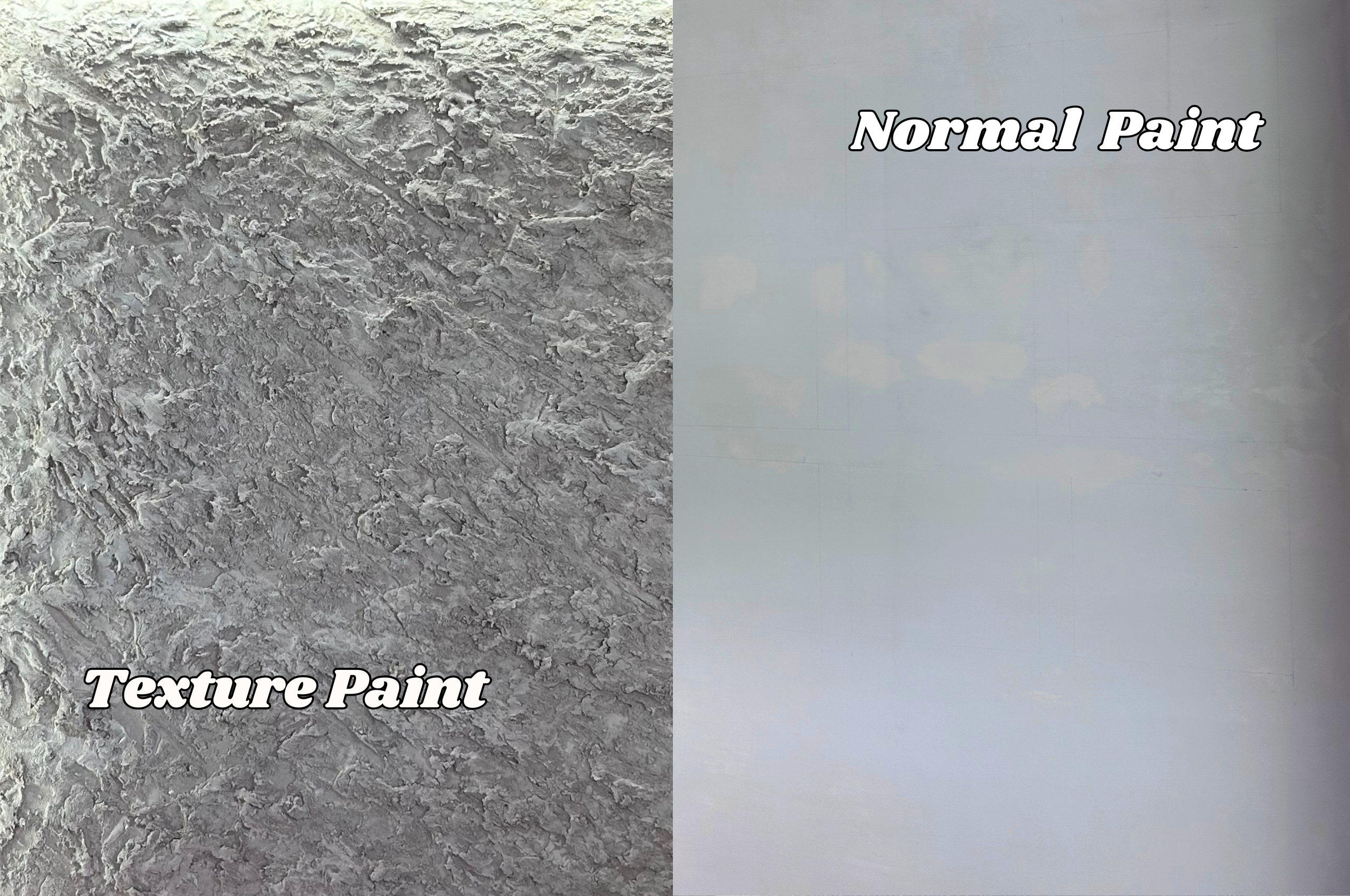
Eggshell paint sits between flat and satin. It has a soft sheen that reflects just enough light to highlight small differences on a wall. That gentle shine is why minor flaws can pop under certain light.
Think of it like a camera filter. Flat paint hides texture; high gloss exposes it. Eggshell is in the middle, so it can go either way, which is why many people ask, Why does eggshell paint look uneven? If you understand how it reflects light, you can control the outcome. Why does eggshell paint look uneven? Often, because of how the surface absorbs paint and how you move the roller.
Top reasons eggshell paint looks uneven
If you’re asking, Why does eggshell paint look uneven?, start with these common causes:
- Uneven surface porosity. Patched areas, unprimed drywall, or dirty spots soak paint at different rates. That leads to flashing or dull patches.
- Skipping primer. Primer levels porosity so eggshell dries at the same sheen across the wall.
- Inconsistent roller technique. Dry rolling, pressing too hard, or not maintaining a wet edge causes lap marks.
- Wrong roller nap. A thick nap can leave heavy texture; too thin can leave holidays and thin spots.
- Overworking the paint. Rolling back into drying paint creates picture framing and uneven sheen.
- Poor mixing. Settled solids cause sheen swings and coverage issues if the can isn’t stirred well.
- Temperature and humidity. Fast drying from heat or airflow leaves lap lines; high humidity can cause streaks and surfactant leaching.
- Lighting direction. Raking light from windows will reveal texture and sheen changes that looked fine under ceiling lights.
- Low-quality paint or deep colors. Weak hide or high tint loads can need extra coats, or they streak.
- Cutting in too far ahead. Dry cut lines flash when rolled too late.
If you’re still wondering, Why does eggshell paint look uneven?, one or more of these is usually the reason.
What Are the 5 Types of Paint Finishes? A Simple Guide to Choosing the Right One

Diagnose the type of unevenness you see
Naming the problem helps you fix it fast.
- Flashing. Dull or shiny patches that match patches or repairs. Cause: different porosity. Fix: prime spots or the whole wall, then apply a full coat.
- Lap marks. Dark or shiny stripes where roller passes overlap. Cause: dry edge. Fix: work in smaller sections and keep a wet edge with 50% overlaps.
- Roller stipple. Orange-peel or bumpy texture. Cause: thick nap, sticky paint, or heavy pressure. Fix: use the right roller and lighter pressure; add a paint extender if needed.
- Holidays/thin spots. See-through patches. Cause: too little paint or dry roller. Fix: load more paint and apply a second coat.
- Picture framing. Shinier perimeter around brushed areas vs rolled field. Cause: out-of-sync cutting and rolling. Fix: cut and roll one wall at a time, then back-roll edges.
- Surfactant leaching. Brownish streaks or shiny drips after humid nights. Cause: moisture draws out additives. Fix: let it cure, wash gently with warm water, allow to dry; often fades.
Why does eggshell paint look uneven? Most of the time, it’s flashing or lap marks from porosity or timing.

Prep and planning checklist that prevents uneven sheen
Want to stop asking, Why does eggshell paint look uneven? It starts before you open the can.
- Clean the walls. Use a mild degreaser in kitchens, TSP substitute in high-touch areas, rinse well.
- Sand and degloss. Feather repairs and scuff glossy paint with 220 grit for better grip.
- Patch, then spot prime. Use a quality patch, sand smooth, and prime repairs to seal porosity.
- Prime full walls when needed. New drywall, drastic color changes, or uneven sheen need a full primer coat. Tint primer toward the finish color.
- Control dust. Vacuum and tack-wipe surfaces so dust doesn’t telegraph under eggshell.
- Pick the right tools. Use a 3/8-inch microfiber roller for most walls; 1/2-inch for rough surfaces; a 2–2.5-inch angled sash brush for cutting.
- Stir and strain paint. Stir from the bottom and strain to remove clumps for an even film.
- Plan the wet edge. Start near natural light and work away so you roll into the light.
- Set the environment. Aim for 60–80°F and 40–60% RH. Avoid strong airflow that speeds drying.
This groundwork makes eggshell level, even, and consistent.
Best Eggshell Paint – Best Value & Premium Choices Comparedbest eggshell paint

Application technique for a smooth, even eggshell finish
Technique makes or breaks sheen uniformity. Here’s the simple flow I teach new painters.
- Cut in and roll in small zones. Do the ceiling line and corners for one wall, then roll that wall right away.
- Load the roller well. Dip, roll off excess on the tray, and keep it wet. Dry rollers make lap lines.
- Use a W pattern, then fill. Roll a 3×3-foot area, spread, and finish with light, top-to-bottom passes.
- Overlap 50%. Each new lane should cover half of the last pass to hide lines.
- Don’t press hard. Let the roller do the work. Heavy pressure leaves texture and sheen changes.
- Back-roll lightly. Final passes in one direction even the film and sheen.
- Maintain the wet edge. Never stop mid-wall. If you must pause, end at a corner.
- Two coats, minimum. Eggshell needs film build for even sheen and true color.
- Respect recoat times. Follow the label. If it feels cool or tacky, wait longer.
Why does eggshell paint look uneven? Often because the wet edge breaks or film build is too thin. This sequence fixes both.
Fixes for uneven eggshell paint
Already painted and seeing issues? Do this.
- Let it cure. Many water-based eggshells even out as they cure. Give it 2–4 weeks.
- Wash surfactant streaks. Gently clean with warm water and a soft sponge; allow to dry fully.
- Spot sand and prime. For flashing over patches, scuff with 220 grit, spot prime, then repaint the full wall.
- Recoat the whole wall. Sheen mismatches won’t blend with touch-ups. Roll corner-to-corner.
- Use the same batch. Mix cans together to avoid slight sheen and color shifts.
- Add an extender. A few ounces of conditioner can improve leveling and wet edge time.
- Adjust tools. Switch to a 3/8-inch microfiber roller and a high-quality brush to reduce texture.
If you’re still asking, Why does eggshell paint look uneven?, a full, careful recoat is usually the fastest, cleanest fix.
Environmental and product factors you can’t ignore
Even perfect technique struggles in bad conditions.
- Temperature. Hot rooms or strong sun on walls dry edges fast. Cool rooms slow curing and can cause streaks.
- Humidity. High RH leads to surfactant leaching and draggy rolling. Low RH accelerates lap marks.
- Air movement. Fans and HVAC blowing on wet paint create dry lines. Reduce airflow during rolling.
- Substrate moisture. New drywall mud or damp plaster can flash and dull. Let it dry, then prime.
- Paint formulation. Higher-solids paints build film better. Deep base colors may need an extra coat.
Why does eggshell paint look uneven? Sometimes the room itself is working against you. Adjust the environment and your results jump.

Real-world examples and lessons learned
A rental kitchen I repainted had dull patches around the stove. The cause was grease that soap alone didn’t cut. After a degreaser wash, spot prime, and two thin coats, the eggshell leveled out and looked brand new.
On a sunny living room, a client asked, Why does eggshell paint look uneven? Raking light showed lap marks. We added a small amount of extender, closed blinds during painting, and used 50% overlaps. One full recoat solved it.
A hallway had picture framing where brushwork met rolling. We changed the process: cut in one wall, roll it right away, then move on. No more shiny borders, only a clean, even sheen. Why does eggshell paint look uneven? In that case, it was timing—pure and simple.
Frequently Asked Questions of Why does eggshell paint look uneven?
Why does eggshell paint look uneven?
It’s usually uneven absorption, poor roller technique, or drying too fast. Primer, a wet edge, and two full coats fix most cases.
Can lighting make eggshell paint look patchy?
Yes. Side light from windows reveals texture and sheen changes. Always check your work with raking light and plan your rolling direction.
How do I stop lap marks with eggshell?
Work in small sections, keep the roller wet, and overlap each pass by 50%. Avoid going back into areas that have started to dry.
Do I need primer before eggshell on drywall repairs?
Yes. Patches and joint compound are more porous than paint. Spot prime repairs or prime the full wall to prevent flashing.
Will a second coat even out eggshell sheen?
Most of the time, yes. A uniform second coat with the right roller and a wet edge evens sheen and hides minor texture issues.
Is eggshell harder to get even than flat paint?
Slightly. Its soft sheen reflects light, so small flaws show more than with flat. Good prep and technique make it very manageable.
Why does my eggshell look streaky the next day?
It may be surfactant leaching or lap marks. Let it cure, wash gently if needed, then apply a careful full-wall recoat if streaks remain.
Conclusion
Eggshell can look blotchy when prep, porosity, or timing go off track. The fix is simple: clean and prime smart, control the room, use the right roller, keep a steady wet edge, and give it two full coats. Do that, and the soft, elegant sheen you wanted shows up every time.
Ready to get a flawless finish? Pick one wall, follow the checklist, and see the difference today. If this helped, subscribe for more paint tips, or drop a question in the comments—I’m happy to help.